

Vulcan rocket malfunctions again during crucial test flight
Vulcan rocket malfunctions again during crucial test flight
- The Vulcan rocket experienced a significant performance anomaly during its second test flight on February 12, 2026.
- Despite the malfunction, the rocket successfully deployed military satellites into a geosynchronous orbit.
- The incident raises concerns regarding the reliability of ULA's rockets for future national security missions.
Story
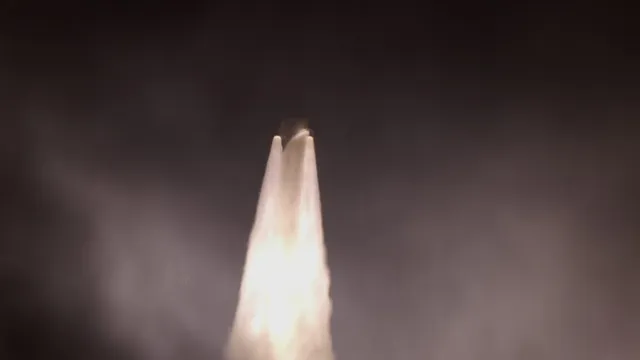
On February 12, 2026, United Launch Alliance's Vulcan rocket lifted off from Florida's Space Coast, but shortly after launch, a performance anomaly was observed in one of its solid rocket boosters. The issue emerged less than 30 seconds into the flight, with footage capturing a fiery plume near the motor's propellant casing. This malfunction occurred during the rocket's second operational national security mission, which aimed to deploy multiple military satellites into geosynchronous orbit. Despite the problem, the Vulcan rocket managed to deliver its payload successfully, thanks in part to the Blue Origin-made BE-4 engines compensating for the defect in the booster. However, this incident raises concerns for military officials regarding the reliability of the Vulcan rocket for future missions, as it follows a previous similar incident during the rocket's first test flight in 2024. The U.S. Space Systems Command has stated that they will closely collaborate with ULA to ensure the flightworthiness of the Vulcan rocket ahead of its next national security launch. The Vulcan rocket, representing a significant advancement from ULA's previous Atlas V and Delta IV models, currently has 27 launches booked by the U.S. Space Force, highlighting its importance in the military's satellite deployment strategy. The ongoing issues with the Vulcan's boosters may prompt a reevaluation of ULA's position in the national security launch market, especially with SpaceX now leading in this sector.
Context
The history of United Launch Alliance's (ULA) Atlas V and Delta IV rockets is a testament to the evolution of American space launch capabilities. ULA was formed in December 2006 through the merger of Boeing's Delta IV and Lockheed Martin's Atlas V programs. This strategic partnership aimed to consolidate and streamline U.S. launch services, particularly for government and military missions. The Atlas V rocket family, derived from the earlier Atlas rockets used as early as the 1950s, made its first flight on August 21, 2002. Over time, it has evolved into a highly versatile launch vehicle known for its reliability and performance, being capable of launching payloads ranging from small satellites to interplanetary probes. The Delta IV, which first flew on November 20, 2000, was designed for larger payloads and continued to serve critical national security and science missions. Both rockets have achieved significant milestones, contributing to a robust portfolio of successful launches that underscore ULA’s commitment to ensuring access to space for both national defense and commercial endeavors. Throughout their operational histories, Atlas V and Delta IV have showcased a range of configurations to accommodate diverse payload requirements. The Atlas V fleet includes variants that can utilize different configurations, such as Centaur upper stages and variations in the number of solid rocket boosters, enabling tailored launches for specific missions. Meanwhile, Delta IV has been offered in several configurations, including the Delta IV Medium, Delta IV Heavy, and more, with the Heavy variant being one of the most powerful operational rockets, capable of lifting extraordinarily heavy payloads into space. This adaptability has made both rockets essential players in the global launch market and equally important for NASA missions, including those to the International Space Station (ISS) and scientific explorations throughout the solar system. The partnership between ULA, its heritage rockets, and ongoing developments demonstrates a commitment to incorporating lessons learned from past missions to enhance future launch reliability. As technology and requirements evolution continues, ULA has integrated advancements in materials, manufacturing processes, and rocket design. Importantly, the introduction of the Vulcan Centaur rocket, planned to succeed Atlas V and Delta IV, reflects an ongoing evolution in response to the growing demands of commercial spaceflight, including satellite deployment and interplanetary exploration. While Atlas V and Delta IV are gradually being phased out, their legacy ensures ULA maintains a pivotal role in space exploration and satellite deployment. As of early 2026, ULA continues to launch missions for a variety of clients, showcasing the unmatched reliability and versatility of the Atlas V and Delta IV. With over 100 combined launches since their inception, these systems have not only demonstrated technical prowess but have also played a critical role in national security and scientific advancement. Looking forward, the foundation built by Atlas V and Delta IV will support the next generation of launch vehicles, highlighting ULA's enduring legacy within the aerospace industry and its mission to provide safe and dependable space access.


