

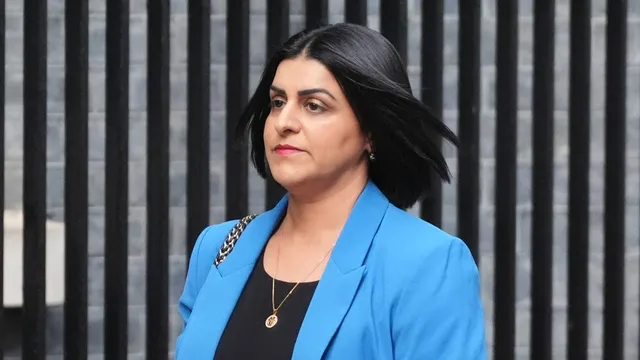
UK plans radical changes to asylum system under Shabana Mahmood
UK plans radical changes to asylum system under Shabana Mahmood
- On November 14, 2025, Shabana Mahmood will introduce reforms aimed at the UK’s asylum system.
- The proposed changes will allow refugees only temporary stays and make it easier to deport illegal migrants.
- These reforms are expected to significantly alter the landscape of immigration and asylum in the UK.
Story
On Monday, November 14, 2025, Shabana Mahmood, the UK Home Secretary, is set to announce significant reforms to the country's asylum system. These changes will focus on tightening immigration rules, making it easier to remove and deport illegal migrants, and aiming to model certain aspects of the system after Denmark's immigration policies. The primary objective of these reforms is to reduce the appeal of the UK as a destination for asylum seekers while enhancing the efficiency of deportations. Mahmood believes that the perceived generosity of the current system has contributed to a rise in small boat crossings, raising public concern about immigration policies in Britain. The proposed changes will limit most successful asylum seekers to temporary stays in the UK, with plans to review their status regularly and facilitate their return when deemed safe. Swifter deportations are also a target of the reforms, paralleling Denmark’s system where a high percentage of failed asylum applications lead to removals. In addition to these measures, Mahmood will likely address potential alterations to human rights laws to prevent abuses of the system that allow prolonged appeals against deportation. These announcements come amidst an increasing public outcry over rising numbers of asylum seekers entering the UK and pressures on local communities. New figures from the Home Office indicated that more than 48,000 individuals have been deported since Labour assumed power. Despite these figures, the rising trend of small-boat crossings poses a complication to the government’s stance on immigration. Mahmood has been vocal about the need for immediate action to regain control over Britain’s borders. The announcement of these reforms is set against a backdrop of political turmoil, where figures from the Labour Party express divergent views on the proposed policies. Some party members fear that adopting elements from Denmark's approach could alienate progressive voters. Conversely, there is pressure on the government to deliver tangible results in addressing public concerns about immigration. As Mahmood prepares for her address, questions about the potential implications for asylum seekers and broader immigration policy loom large, creating an atmosphere of anticipation regarding foreign policy in the UK.
Context
The impact of immigration policies in the UK has been a topic of considerable debate and analysis, reflecting broader societal, economic, and political dimensions. Over the years, shifts in government policies regarding immigration have influenced the flow of migrants, shaping the demographic landscape of the nation. Immigration policy in the UK has often been a balancing act between securing national borders, addressing public concerns about resources, and recognizing the economic contributions of immigrants. The policies have evolved from more open approaches to increasingly restrictive measures, particularly following the Brexit referendum in 2016, which signaled a significant change in the UK’s relationship with EU migrants and broader immigration controls. Recent immigration policies have focused on skills-based assessments and aims to attract high-skilled labor while simultaneously limiting low-skilled immigration. This has raised concerns within various sectors of the economy, particularly in healthcare, agriculture, and hospitality, which historically relied on a steady flow of low-paid workers. Many industry leaders and economists argue that the removal of free movement has led to labor shortages, thus impacting productivity and economic growth. Additionally, the emphasis on skills has sparked debates regarding the accessibility of employment for immigrants possessing diverse qualifications that may not always meet the specific criteria set by the new immigration framework. Furthermore, the social implications of these policies are profound. Immigration policies can influence public sentiment and perceptions of immigration, potentially fueling xenophobia and social division. The discourse surrounding immigration often becomes politicized, impacting community relations and integration efforts. The narrative crafted by political leaders can sway public opinion, sometimes leading to a fearful climate where immigrants are viewed as threats to jobs and public services, despite evidence illustrating the positive economic contributions made by immigrants. As UK society evolves, the challenge remains in fostering an inclusive environment that recognizes diversity as a strength rather than a challenge. Lastly, the long-term consequences of these immigration policies remain to be seen. While the UK government aims to ensure public support for its immigration strategy, the implications for human rights and international obligations are paramount. There are concerns that restrictive measures could lead to negative humanitarian outcomes, especially for vulnerable groups seeking asylum or refuge. Discussions on immigration will undoubtedly continue to be at the forefront of the political landscape as the UK seeks to navigate its identity post-Brexit, balancing the need for efficient border control with the values of inclusion and support for those seeking a better life in the UK.


