

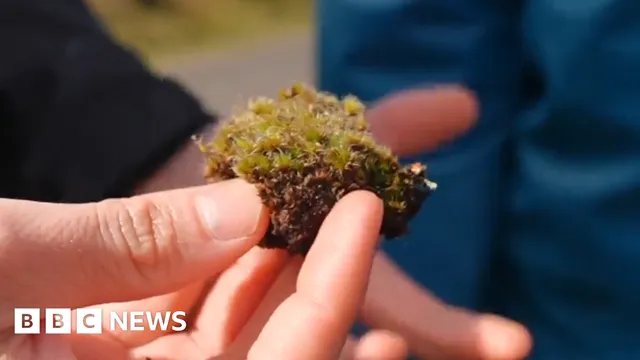
New fungus discovered that targets invasive moss in Britain
New fungus discovered that targets invasive moss in Britain
- A new species of fungus has been discovered in Britain that targets the heath-star moss, an invasive plant.
- This fungus, named moss die-back, may help restore native habitats affected by invasive species.
- The discovery raises hopes for ecological restoration in the UK, where many native species are at risk.
Story
In Britain, a newly identified species of fungus has been found that specifically targets the heath-star moss, an invasive plant that has been detrimental to native habitats. This discovery was made by scientist George Greiff, who has been tracking the spread of this invasive moss and its impact on local ecosystems. The heath-star moss has been known to outcompete native species, leading to significant ecological damage in various regions, particularly in heathlands where native mosses have either gone extinct or have seen drastic population reductions. The fungus, now referred to as moss die-back, has shown potential in combating the invasive moss, raising hopes for the restoration of affected habitats. Greiff's research indicates that this fungus may have evolved from a native species, adapting to specifically infect and kill the heath-star moss. This adaptation could represent a rare instance of the British environment fighting back against invasive species that have been introduced over the years, with around 2,000 non-native plants and animals having been brought to the UK. Greiff's findings are based on extensive DNA sequencing and laboratory analysis, which have confirmed that the fungus primarily affects the heath-star moss and to a lesser extent, one other type of moss. The implications of this discovery are significant, as it offers a potential biological control method for managing invasive species that threaten native biodiversity. The research is ongoing, with scientists aiming to pinpoint the origins and spread of the moss die-back fungus to better understand its ecological role. As the UK faces one of the most depleted natural environments globally, with one in six species at risk of extinction, the discovery of this fungus provides a glimmer of hope for conservation efforts. It highlights the importance of understanding and utilizing natural processes to combat habitat destruction and restore ecological balance in the face of invasive species challenges.
Context
data market policy economic data data global insight data policy impact strategic economic strategic analysis insight insight strategic geopolitical strategic impact policy impact trends market market global data economic market geopolitical geopolitical geopolitical insight strategic global data market data data analysis geopolitical insight insight trends global economic economic insight strategic trends insight trends trends impact economic insight data impact insight economic data analysis geopolitical economic strategic geopolitical shift trends insight shift trends strategic trends analysis policy strategic shift geopolitical trends...


