

Six migrants die of heatstroke in Texas train boxcar
Six migrants die of heatstroke in Texas train boxcar
- Six individuals, consisting of three Mexicans and three Hondurans, were found dead in a boxcar in Texas.
- Authorities revealed the deaths resulted from heatstroke, likely due to extreme conditions inside the unventilated cargo train.
- The community and local officials demand justice, highlighting the dangers faced by migrants during illegal crossings.
Story
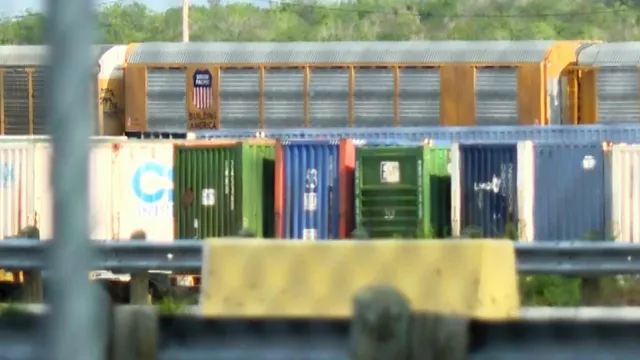
In the recent tragic events in Texas, six individuals were found dead in a cargo train boxcar, prompting investigations into the circumstances surrounding their deaths. The deceased, identified as three Mexicans and three Hondurans, were discovered by law enforcement after an employee reported multiple casualties in the Union Pacific train. The bodies were found on a Sunday afternoon following the train's travel from Long Beach, California, arriving in Del Rio on May 9, where the victims were believed to have been loaded into the boxcar before continuing their journey towards Laredo. According to the Webb County Medical Examiner's Office, initial examinations indicated that at least one of the victims succumbed to hyperthermia, which triggered further investigations as officials suspected a possible link to human smuggling operations. The condition of the boxcar, lacking ventilation, likely contributed to the intense heat that led to the six individuals’ deaths. As authorities concluded the victims had died from heatstroke before being discovered, Laredo's mayor emphasized the need for justice and underscored the dangers faced by individuals attempting to cross into the United States. The investigation continues, particularly into the death of a seventh individual found nearby in San Antonio. Bexar County officials believe this person may have fallen or been thrown from the same train. The circumstances around both incidents reflect the perilous journeys that many undertake in search of a better life, highlighting the risks posed by human smuggling operations. The tragic loss of these lives has reignited discussions around immigration policies and the human cost associated with illegal crossing attempts, a situation exacerbated by the urgent need for legal pathways to safety and opportunity. These events also resonate within the broader context of the ongoing immigration crisis that the United States faces, accompanied by heated debates around border security and human rights. Local officials are cooperating with the Mexican Consulate to ensure communication with the families of the deceased, essential for positive identification and repatriation. While investigations by the federal authorities continue, community leaders and public health officials express grave concern about the dire situations that lead so many individuals to risk their lives for a chance at a better future. This incident stands as a somber reminder of the need for humane treatment and consideration of the complexities involved in migration and asylum processes, which could help prevent similar tragedies in the future.
Context
Hyperthermia deaths among migrants in Texas have become an increasingly urgent humanitarian concern, exacerbated by rising temperatures and the growing number of individuals attempting to cross the U.S.-Mexico border. In the years leading up to 2023, numerous reports highlighted the perilous conditions that migrants face, particularly during the scorching summer months. These individuals often traverse harsh terrains with limited access to water, food, and shelter, dramatically increasing their risk of suffering from heat-related illnesses. The consequences of hyperthermia can be severe, leading to irreversible damage or even death if proper intervention is not administered quickly. As border crossings have surged due to factors such as violence, poverty, and environmental changes in their home countries, the incidence of hyperthermia-related deaths has seen a troubling increase, prompting calls for preventive measures and humanitarian assistance. The Texas landscape, characterized by its vast stretches of arid land, presents unique challenges for migrants. Additionally, law enforcement practices and policies related to immigration enforcement can further exacerbate the risks associated with crossing under extreme heat conditions. Reports indicate that many migrants are hesitant to seek help for fear of deportation, leading to tragic outcomes as individuals become increasingly vulnerable to heat exhaustion and heat stroke. Combating hyperthermia deaths among migrants necessitates a multifaceted approach, including immediate medical assistance, the provision of resources along known migration routes, and systematic changes to immigration policies that prioritize human life and dignity. Community and non-profit organizations have taken initiatives to address these challenges, distributing water, providing cooling stations, and raising awareness about the signs of heat stress. However, these efforts require sustained funding and long-term commitment to effectively reduce the incidence of hyperthermia deaths. Furthermore, collaboration between governmental agencies and humanitarian organizations is crucial to develop and implement strategies that can protect the lives of migrants while they seek safety and opportunity in the United States. Policy reform needs to not only increase resources for emergency services but also address the underlying factors driving migration, creating a more comprehensive response to this humanitarian crisis. As the climate crisis continues to intensify, forecasts predict that temperatures will rise, further complicating the plight of migrants. Therefore, it becomes imperative to act urgently and responsibly. Attention must be directed toward creating a safer migration experience through humanitarian policies, increased border security in the sense of medical preparedness, and fostering a broader public understanding of the struggles faced by vulnerable populations. By focusing on the intersectionality of migration, health, and human rights, we can take meaningful steps to reduce the preventable loss of life due to hyperthermia and ensure dignity and respect for all individuals, regardless of their country of origin.


