

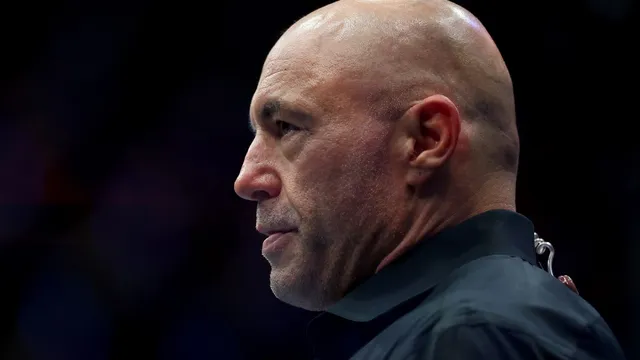
Joe Rogan claims the Trump assassination attempt was not a hoax
Joe Rogan claims the Trump assassination attempt was not a hoax
- Joe Rogan, during his podcast, refuted claims that the Trump assassination attempt was staged.
- He emphasized that the skill needed for the shooting indicated its authenticity, countering hoax claims.
- Rogan’s political stance is complex, having supported Bernie Sanders and voting Libertarian, but he criticized Trump as a threat to democracy.
Story
In the United States, political violence has surged recently, highlighted by the 2024 assassination attempt against Donald Trump. On July 13, 2024, during a campaign rally in Butler, Pennsylvania, a gunman named Thomas Matthew Crooks opened fire. The shooting left Trump grazed on the ear and resulted in the tragic death of a rally attendee, Corey Comperatore. This event unfolded in a tense political climate where critics were quick to label such incidents as orchestrated setups or hoaxes to garner sympathy for Trump. During a recent episode of his podcast, Joe Rogan addressed these assertions, stating that those who doubted the authenticity of the assassination attempt likely lacked knowledge about firearms and the necessary skills involved in such an act. Rogan’s comments came during an interview with Tennessee Republican Representative Tim Burchett, emphasizing that the attack's complexity indicated it was not a mere fabrication. The ongoing discourse on political violence has further escalated following this incident, with Rogan also referencing past violent events, including the shooting at the White House Correspondents Dinner and the assassinations of political figures like Charlie Kirk and Melissa Hortman. In light of these discussions, Rogan's mixed political stance raises questions about his views on violence in politics. He had previously endorsed Bernie Sanders in 2020, expressed an inclination toward voting for Trump over Biden, but ultimately did not support either in 2022, opting for the Libertarian party. His choice to decline interviews with Trump, voicing concerns about being complicit in aiding what he termed an existential threat to democracy, sets him apart in media discussions surrounding Trump. This complicated dynamic reflects broader societal challenges regarding political rhetoric, violence, and their implications for democracy as both direct events and narratives continue to evolve within the political landscape.


