

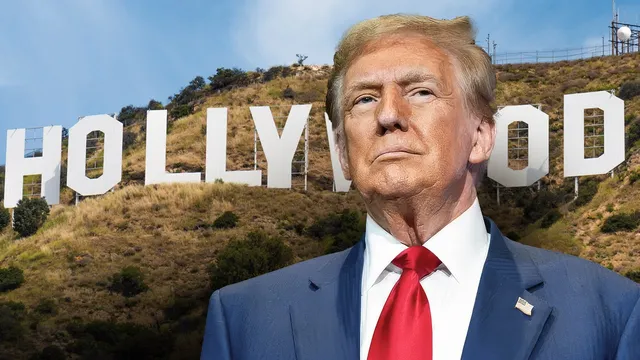
Celebrities promised to leave but remain in America after Trump's presidency
Celebrities promised to leave but remain in America after Trump's presidency
- Celebrities like Sharon Stone and Barbra Streisand pledged to leave the U.S. if Donald Trump won the election.
- Despite their promises, many of these celebrities continued to reside in the country years later.
- Growing tourist disapproval related to the U.S. government under Trump has led to canceled trips and reluctance to visit.
Story
In the years following Donald Trump's election in 2016, various celebrities publicly declared their intentions to leave the United States if he took office. Prominent figures such as Sharon Stone, Barbra Streisand, and Bruce Springsteen made these promises through media interviews and social media statements. With Trump's presidency lasting until 2020 and a subsequent re-election attempt, many of these stars remained in the country despite their vocal criticisms. By 2026, it was noted that these celebrities had not followed through on their threats to relocate abroad, thus contradicting their earlier assertions. In tandem, a significant number of international tourists expressed hesitation about traveling to the United States, influenced by the political climate and concerns regarding personal safety and privacy. Many individuals who had previously booked trips were considering cancellations based on worries tied to the Trump administration and its policies. Observations made within travel communities highlighted a growing sense of disapproval toward the U.S. government's conduct during Trump's presidency, further influencing potential visitors' decisions Celebrity statements of departure highlighted frustrations on issues ranging from political disagreements to concerns over the treatment of dissenters within the U.S. political system. The rhetoric behind these threats often reflected broader sentiments shared among numerous citizens and tourists alike, who felt uncomfortable with America's trajectory under Trump's leadership. Meanwhile, those that planned to travel started to acknowledge how the current administration could alter the welcoming nature traditionally associated with the U.S. As critics reasoned that the U.S. was adopting more isolationist policies, these sentiments were echoed in many comments from tourism circles, suggesting a paradigm shift in how the country was perceived. Discussions among travelers indicated that external factors, including strict immigration enforcement actions like those executed by U.S. Immigration and Customs Enforcement (ICE), were core deterrents for considering the U.S. as a travel destination. With some eager to return once stability returned, many voiced their intention to delay any visit until political climates changed significantly. Thus, while certain celebrities did remain true to the U.S. presence, substantial shifts in travel interest highlighted concurrent dissatisfaction in the broader sentiment toward the U.S.


