

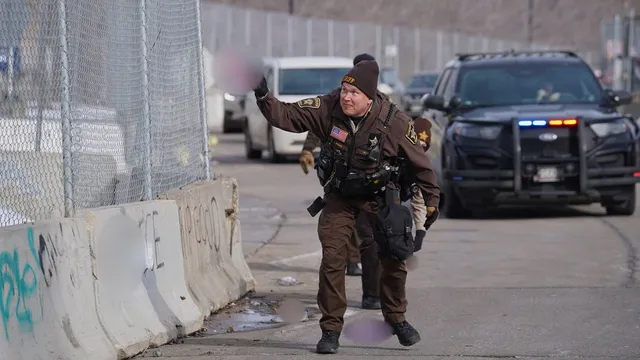
Justice Department charges over 150 anti-ICE protesters in Minnesota
Justice Department charges over 150 anti-ICE protesters in Minnesota
- The Justice Department has charged over 150 protesters in Minnesota with serious crimes since the start of increased ICE enforcement.
- Protesters have engaged in various forms of resistance against federal agents, prompting a crackdown from the administration.
- This aggressive response from authorities highlights ongoing tensions and the administration's firm stance on immigration enforcement.
Story
In Minnesota, a growing number of protests against the Immigration and Customs Enforcement (ICE) have taken place, particularly in response to the Trump administration's increased immigration enforcement efforts known as 'Operation Metro Surge.' Since the operation began, over 150 protesters have been arrested on various charges, including obstruction of federal agents and violations of the FACE Act. These protests have led to actions such as blocking access for ICE officers and disrupting church services. The Justice Department has responded aggressively, warning that it will pursue criminal charges against those who impede or interfere with federal agents. Consequently, U.S. prosecutors in Minnesota are overwhelmed by an increasing number of cases related to habeas corpus petitions, as many individuals detained by ICE are challenging their arrests in court. This has led to criticisms of the fast-paced deportation efforts that are failing to provide basic due process under the law. The serious backlog in federal courts has created a crisis, with judges expressing frustration over the administration’s handling of these immigration cases. Government lawyers have cited unbearable workloads that stem from the increased number of lawsuits, with many reporting that they struggle to keep up with the volume of petitions and orders issued by the courts. The situation is complicated further as top federal prosecutors are leaving their positions due to the escalating demands of handling immigration cases. The tensions have heightened as recent incidents involving serious confrontations between protesters and federal officers have drawn national attention. With Minnesota being at the center of these protests, it serves as a significant indicator of how the Justice Department might manage similar unrest in other states as the administration continues to enforce strict immigration policies. This environment poses challenges both for law enforcement and for those advocating for immigrants' rights, leading to a turbulent atmosphere in the ongoing national debate about immigration and enforcement practices.
Context
Current immigration laws in the USA are complex and subject to changes that reflect the political climate, economic needs, and public sentiment. As of February 2026, U.S. immigration policy is governed by several federal statutes, primarily the Immigration and Nationality Act (INA), which establishes the rules for immigration and citizenship, along with the criteria for different visa types. Across visa categories, applicants must meet specific requirements, including family connections, employment opportunities, refugee status, and diversity visa lottery eligibility. The process for obtaining legal residency or citizenship involves various steps, including application submission, interviews, and background checks, which can often span several months or even years depending on individual circumstances and government processing times. Furthermore, the U.S. has several key programs such as Temporary Protected Status (TPS), which allows individuals from certain countries facing turmoil to stay in the U.S. temporarily, and Deferred Action for Childhood Arrivals (DACA), which provides temporary reprieve from deportation for qualifying undocumented immigrants brought to the U.S. as children. Enforcement of immigration laws is an additional significant aspect of the current system. Agencies such as Immigration and Customs Enforcement (ICE) and Customs and Border Protection (CBP) play critical roles in managing, enforcing, and regulating immigration at the borders and within the country. The controversial policies of family separations and the use of detention centers have ignited intense debates on human rights and the treatment of migrants. In recent years, there have been numerous calls for reform aiming at creating a more humane and efficient immigration system that meets labor demand while safeguarding individual rights and national security. Legislative proposals are often introduced in Congress, addressing pathways to citizenship for undocumented individuals, adjustments in employment-based immigration, and provisions for asylum seekers to ensure a just process. The political landscape surrounding immigration has seen significant polarization. Immigration reform discussions often become intertwined with broader debates on national security and economic interests. Proponents of reform argue that the current system does not adequately meet the labor needs of the economy, especially in sectors struggling to find workers, while detractors voice concerns over increased immigration and its perceived impact on jobs and public services. The role of state and local authorities in immigration enforcement has also become more prominent, prompting further discussions about the responsibilities of federal versus state governments in managing immigration issues. Furthermore, the impact of COVID-19 on travel restrictions and border policies has further complicated the situation, with fluctuations affecting visa issuance and overall immigration rates. Looking ahead, the future of immigration laws in the USA is uncertain, with potential changes hinging significantly on the outcomes of upcoming elections, shifts in public opinion, and ongoing legal challenges to existing policies. The Biden administration has sought to reverse many Trump-era immigration policies, advocating for comprehensive reform to address the challenges and barriers faced by immigrants. However, significant legislative change often faces obstacles in Congress, requiring bipartisan support that has been challenging to attain. Overall, the landscape of U.S. immigration laws remains a dynamic arena, shaped by diverse factors that require continuous monitoring and analysis.


