

Ukraine plans to bring home 1,200 prisoners from Russia
Ukraine plans to bring home 1,200 prisoners from Russia
- Ukraine is working to negotiate the release of 1,200 prisoners from Russia as part of prisoner exchange agreements.
- Discussions facilitated by Turkey and the UAE aim to reactivate previously established agreements.
- The successful resumption of these exchanges could bring hope to many families ahead of the holiday season.
Story
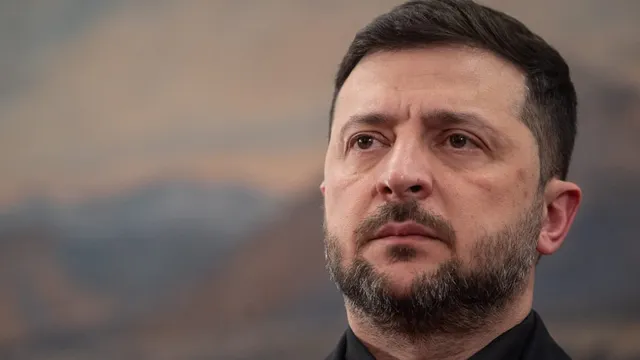
Today in Kyiv, Ukraine is making efforts to resume prisoner exchanges with Russia. President Volodymyr Zelenskyy announced that the country is focused on negotiating the release of around 1,200 Ukrainian prisoners currently held in Russia. The announcement follows comments from Rustem Umerov, Secretary of Ukraine’s National Security and Defense Council, who indicated that significant progress in negotiations has been achieved. The discussions are being facilitated by Turkey and the United Arab Emirates, aiming to activate previous agreements established in Istanbul in 2022. In 2022, Turkey mediated to create protocols governing prisoner exchanges between Ukraine and Russia, with structured rules for conducting these swaps. Since then, both countries have successfully exchanged thousands of prisoners, though these exchanges have not been regular. Umerov's statements suggest that technical consultations are planned to finalize the necessary procedural details to implement these exchanges efficiently. There is an expressed hope that the returning prisoners will be able to celebrate the upcoming New Year and Christmas holidays in the company of their families. While the Ukrainian leadership focuses on these negotiations, the country is also battling ongoing military challenges. Recently, the Odesa region of Ukraine experienced damage to energy infrastructure due to Russian drone strikes. Such attacks have led to significant rolling blackouts across the country, particularly as winter approaches. The Ukrainian air force reported that they managed to neutralize a substantial number of the drones fired by Russia. Despite these challenges, the focus on the humanitarian aspect of the prisoner exchanges indicates an ongoing commitment to securing the release of Ukrainian nationals. As the situation remains fluid with ongoing military operations in the region, the successful resumption of prisoner exchanges could offer a glimmer of hope for many affected families in Ukraine. The negotiations indicate that both Ukraine and Russia are still willing to engage in dialogues for the benefit of their respective citizens, even amidst the turmoil of war.
Context
The impact of the Istanbul agreements on Ukraine-Russia relations has been profound and multifaceted, touching upon political, economic, and social dimensions in both countries and the broader region. Signed in 2022, the agreements aimed to foster dialogue and pave the way for a potential resolution to the ongoing conflicts. Initially, they represented a glimmer of hope for de-escalation and reconciliation, facilitating some degree of exchange between the two nations. However, the actual implementation and commitment to these agreements have faced significant challenges, hindering any progress towards lasting peace. As both parties have struggled with trust issues and conflicting interests, the agreements have often been interpreted differently, leading to further misunderstandings and tensions rather than alleviating them. On the geopolitical stage, the Istanbul agreements have also influenced the dynamics involving other regional and global powers. Western nations have closely monitored the situation, with many emphasizing the importance of respecting Ukraine's sovereignty and territorial integrity. Conversely, Russia has used the agreements to assert its influence in the region, attempting to gain leverage against NATO and the European Union. Consequently, the agreements have inadvertently contributed to an escalation of military posturing and economic sanctions. These developments have complicated not only Ukraine-Russia relations but have also affected the West's strategy towards countering Russian aggression. Economically, the agreements were expected to facilitate trade and investment opportunities; however, deep-seated animosities and the persistence of conflict have deterred meaningful engagement. The Ukrainian economy has faced substantial challenges, exacerbated by the war, leading to decreased foreign investment and increased reliance on Western aid. On the other hand, Russia has sought to bolster its economic ties with non-Western nations, exploring alternative markets and partnerships as a response to sanctions. The shift in economic strategies has thus entrenched division between the two countries and hampered the potential economic benefits of the agreements. In conclusion, while the Istanbul agreements initially appeared to offer a foundation for improved Ukraine-Russia relations, their actual impact has been mixed and largely disappointing. The lack of commitment to a unified interpretation and implementation of the accords has led to increased tensions, exacerbating the humanitarian crisis and furthering distrust between the nations. Moving forward, it will be essential for all stakeholders involved to demonstrate genuine goodwill and commitment to dialogue, as only through sustained effort and collaboration can the hope for lasting peace and stability in the region be realized.


