

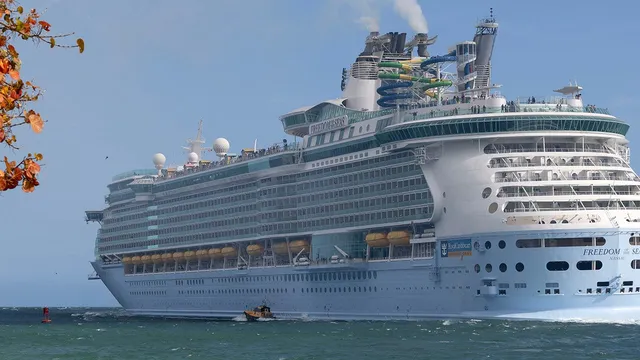
Royal Caribbean cancels over 20 Summer 2027 cruises
Royal Caribbean cancels over 20 Summer 2027 cruises
- Royal Caribbean has canceled multiple voyages aboard Freedom of the Seas for the Summer 2027 season, affecting thousands of passengers.
- Affected itineraries span from four to nine nights, featuring destinations like Aruba and the Bahamas.
- The company is offering rebooking alternatives and refunds, acknowledging the inconvenience this situation has caused for travelers.
Story
In the United States, Royal Caribbean announced the cancellation of more than 20 cruises aboard its Freedom of the Seas ship for the Summer 2027 season. The affected sailings were scheduled to take place between May and September 2027, including various itineraries such as four-night trips to the Bahamas, five-night journeys to the Dominican Republic, and nine-night cruises calling at Aruba and Curaçao. Passengers received emails informing them of the changes and indicating that Freedom of the Seas would be redeployed to Southampton, England, for the 2027 season due to an ongoing itinerary planning process. The cancellations were part of Royal Caribbean's strategy to adjust the sailing schedule, which also followed recent similar actions by Carnival Cruise Line, which canceled 11 sailings aboard its Carnival Firenze scheduled for the fall of 2026. The company provided impacted guests with alternative options but acknowledged the inconvenience this may cause. Customers were offered opportunities to rebook on different ships, or they could opt for a full refund as compensation for their canceled cruises. Passengers expressed frustration due to their vacation plans being disrupted, noting their efforts to arrange travel only to have those plans canceled. Many took to social media to voice their disappointment, emphasizing the emotional impact of these sudden changes which forced them into fewer choices for their travel itinerary. Royal Caribbean stated that the dynamic nature of deployment planning reflects demand, capacity requirements, and broader fleet considerations, leading to this particular decision regarding Freedom of the Seas. Guests who did not respond to Royal Caribbean by April 1, 2026, regarding alternative arrangements would be automatically rebooked on the next available sailing. As a result of these cancellations, many passengers are left feeling uncertain about their future cruise plans and the credibility of the cruise line as a reliable choice for long vacations. As the cruise lines continue navigating the evolving market and operational needs, this incident may further affect their reputation and customer trust in the industry.
Context
The cancellations of Royal Caribbean cruises have had significant implications for passengers, altering their travel plans and expectations. Following recent events, including health crises and regulatory considerations, the cruise industry has faced unprecedented challenges, leading to widespread itinerary adjustments. Passengers who had invested time and money into planning their vacations have often found themselves scrambling to navigate sudden changes, affecting not only their schedules but also their financial expenditures for the trip. In many cases, these cancellations have resulted in loss of deposits and potential travel expenses, creating a ripple effect throughout the travel industry. Moreover, the psychological impact on affected passengers has been profound, as the anticipation of a cruise vacation often carries emotional significance, providing a getaway from daily life stressors. The cancellations have induced feelings of disappointment, frustration, and uncertainty, as many individuals look forward to the relaxation and enjoyment that a cruise vacation promises. This emotional toll is compounded by the financial implications, as some passengers may have to forfeit non-refundable costs associated with their travel arrangements beyond the cruise fare itself. In response to these challenges, Royal Caribbean has sought to mitigate passenger dissatisfaction by offering alternatives such as future cruise credits, refunds, and flexible rebooking options. These measures aim to retain customer loyalty and provide reassurance that the company is committed to meeting the needs of its passengers during these turbulent times. By allowing passengers to transfer their bookings to later dates, Royal Caribbean is attempting to rebuild trust and accommodate the evolving preferences of travelers who may be wary of cruising at present. Despite these efforts, the longer-term impacts of cruising cancellations on Royal Caribbean and the broader cruise industry remain uncertain. As travel preferences shift and the desire for safety becomes paramount, the industry must adapt to meet new consumer demands. This includes a reevaluation of health protocols, increased safety measures, and enhanced communication strategies to keep passengers informed and engaged. Only time will reveal how effective these strategies will be in restoring confidence in cruise travel and mitigating the impacts of cancellations on passengers and the industry as a whole.


