
US ramps up pressure on Iran with new naval tactics
- The US military is implementing a global strategy to monitor and intercept oil tankers linked to Iran.
- This action complements a naval blockade that has already resulted in significant economic losses for Iran.
- The situation remains tense as diplomatic efforts to reach a nuclear agreement continue to falter.
Story
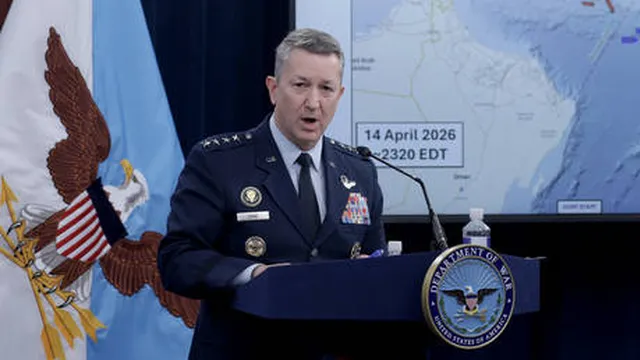
Washington has reported plans to increase pressure on Iran by intensifying operations beyond the naval blockade. This initiative, part of a strategy known as 'Operation Economic Fury,' aims to force Iran to reopen the Strait of Hormuz and abandon its nuclear ambitions. The US military is set to actively pursue Iranian-flagged vessels and those supporting Tehran globally, threatening maritime operations that extend beyond the Persian Gulf. Since the naval blockade commenced on April 13, the US Central Command (CENTCOM) claims to have intercepted or diverted at least 23 vessels, reflecting a significant impact on Iran's economy, with estimated daily export losses ranging from $400 to $435 million. The aggressive maritime strategy is supplemented by ongoing diplomatic pressures, including President Donald Trump's declarations regarding a blockade aimed at securing a favorable deal with Iran concerning its nuclear program. Tehran has condemned the US actions, labeling the blockade as 'an act of piracy.' Iranian leadership has indicated unwillingness to cooperate unless their cargoes are permitted transit, calling the US's position foolish. These tensions have been exacerbated by a temporary ceasefire that is set to expire soon, following inconclusive discussions aimed at renewing negotiations. Thus far, proposals by the US to dismantle Iranian nuclear capabilities have met with reluctance and rejection from Iranian officials, highlighting the vast divide between the two nations regarding expectations and demands. With the deadline for negotiations approaching, the potential for elevated conflict remains high as Iran's response to US naval maneuvers could escalate tensions in the Gulf region. The focus on Iranian maritime operations not only threatens to destabilize economic conditions for Iran but also poses significant risks of military confrontation in international waters. As both nations remain firm in their positions, the implications of these dynamics could have far-reaching consequences for regional and global security.
Context
The impact of US sanctions on Iran's economy has been profound and multifaceted, influencing various sectors and overall economic performance. Since the reimposition of sanctions in 2018, following the United States' withdrawal from the Joint Comprehensive Plan of Action (JCPOA), Iran has faced significant challenges. The sanctions have targeted key areas including oil exports, banking, and trade, which are crucial components of the Iranian economy. As a result, Iran has seen a dramatic reduction in oil revenues, contributing to budget deficits and a decrease in foreign exchange reserves. The steep decline in oil production, which went from around 4 million barrels per day to under 300,000 barrels per day in some estimates, has crippled the government's ability to finance public services and welfare programs, leading to widespread economic hardship among the population. Moreover, the sanctions have not only affected the state revenue but have also severely restricted Iran's access to international financial markets. Iranian businesses have faced difficulties in securing funding and dealing with foreign trade due to the exclusion from the SWIFT banking system, which has made it difficult to process international transactions. This has resulted in increased inflation rates, which have surged, affecting the purchasing power of ordinary citizens. The combination of limited access to foreign capital and skyrocketing prices for essential goods has led to a rise in socioeconomic issues, including poverty and unemployment. The Iranian government's attempts to counteract these effects, such as currency controls and subsidies, have often been insufficient to mitigate the crisis. The sanctions have had a ripple effect on various sectors of the Iranian economy beyond oil, impacting industries such as manufacturing, agriculture, and pharmaceuticals. Many Iranian manufacturers, reliant on imported raw materials, have struggled to maintain production levels, resulting in shortages and increased costs. The agricultural sector has been particularly hard-hit, as restrictions on imports have led to difficulties in acquiring necessary equipment and technology. On the healthcare front, the sanctions have restricted access to medical supplies and equipment, despite claims that humanitarian goods like medicine should not be affected. Consequently, this has raised serious concerns regarding public health and the Iranian population's well-being. In conclusion, the US sanctions on Iran have led to significant economic dislocation, with effects felt across all sectors of the economy. While the intention of the sanctions may be to curb Iran's nuclear ambitions and influence in the region, their broader implications have resulted in a humanitarian crisis. As the Iranian economy grapples with these challenges amidst declining oil revenues and increasing domestic discontent, the long-term consequences of these sanctions may necessitate a reevaluation of strategies by both the United States and Iran to find pathways toward stabilization and recovery.
