

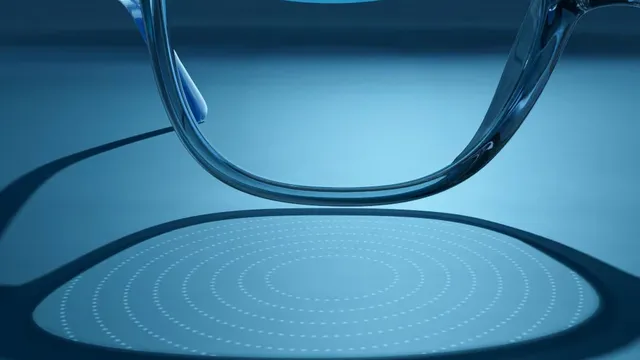
New glasses approved to slow myopia progression in children
New glasses approved to slow myopia progression in children
- The FDA approved new glasses in September that slow myopia progression in children.
- Studies indicate rising myopia rates are linked to increased screen time and close-up activities.
- The new lenses may revolutionize pediatric eye care by preventing severe long-term consequences.
Story
In September, the U.S. Food and Drug Administration approved a new type of lens designed to slow the progression of myopia in children. Myopia, also known as nearsightedness, is a growing concern worldwide, particularly among youth, with studies linking its rise to increased screen time and activities requiring close focus. Historically, options for treating this condition have been limited, often leading to the potential for severe long-term consequences such as retinal detachment and increased risk of vision impairment. The lenses provide a novel alternative for parents seeking to manage their children's eye health effectively. Dr. Rupa Wong, a pediatric ophthalmologist based in Honolulu, emphasized the lenses’ significance, stating they can help prevent the elongation of the eye that results from myopia over time. The FDA's approval followed studies conducted primarily in Asia, raising the need for further research to validate their effectiveness in the U.S. market. The lenses, priced at around $450, are anticipated to be covered by major vision insurance providers for children who meet the necessary criteria, making them a potential accessible option for many families. Prior to this advancement, contact lenses made by MiSight were the only FDA-approved option for slowing myopia. The new glasses' approval has generated interest from parents and physicians alike—many of whom might prefer glasses over contact lenses for younger children. While some doctors recommend medicated eye drops aimed at slowing myopia, such treatments have not received FDA approval, underscoring the importance of the new lenses in pediatric vision care. As U.S. ophthalmologists and optometrists await more conclusive data about the lenses' effectiveness in American children, clinical studies are already underway to gather more comprehensive insights. This progressive step in addressing myopia highlights ongoing efforts to improve pediatric eye care and prevent serious long-term complications associated with the condition. If successful, the new lenses could revolutionize how myopia is managed in children, significantly improving their quality of life and reducing the future risks associated with severe vision impairment.
Context
Myopia, commonly known as nearsightedness, is a refractive error of the eye where distant objects appear blurry while close objects can be seen clearly. It arises when the eyeball is too long relative to the focusing power of the cornea and lens, or when the cornea has too much curvature. This results in light rays entering the eye to focus at a point in front of the retina, instead of directly on its surface. Myopia is a prevalent condition, affecting a significant portion of the population, and its prevalence has been increasing globally, particularly among children and young adults. Understanding myopia and its underlying causes is crucial for preventive measures and effective management of this condition. The development of myopia can be influenced by genetics as well as environmental factors. Research indicates that individuals with a family history of myopia are more likely to develop the condition themselves, suggesting a strong genetic predisposition. However, the rise in myopia cases in recent years indicates that environmental factors play a significant role as well. Prolonged near work activities, such as reading, using computers, and playing video games, are associated with an increased risk of developing myopia. Additionally, the lack of outdoor activities has been cited as a contributing factor, with studies showing that exposure to natural light may help reduce the risk of myopia progression. Various studies have also explored the role of lifestyle and educational demands in the development and progression of myopia. In many cultures, particularly in East Asian countries, there is a strong emphasis on academic performance, leading to high levels of near work, which correlates with higher rates of myopia in these populations. Moreover, the transition from outdoor play to indoor activities among children has been prevalent in modern society, further exacerbating the issue. These findings indicate that lifestyle choices can significantly impact the incidence of myopia, leading to a pressing need for public health initiatives emphasizing balanced activities, including more time spent outdoors. Management of myopia typically includes corrective eyewear such as glasses or contact lenses that help to refocus light on the retina. Additionally, orthokeratology, a non-surgical procedure involving specially designed contact lenses worn overnight to reshape the cornea, has gained popularity as a potential method to slow myopia progression. Recent advances in pharmacological interventions, including the use of atropine eye drops in low concentrations, have also shown promise in controlling myopia progression in children. As research continues, strategies to mitigate the impact of Myopia are crucial not only for improving individual vision but also for addressing the increasing prevalence of this condition.


