

Meta secures nuclear power deals to gain edge in AI race against China
Meta secures nuclear power deals to gain edge in AI race against China
- Meta has signed long-term agreements to purchase nuclear power from three plants in Ohio and Pennsylvania.
- These deals aim to address surging energy demand and support the development of new nuclear technologies.
- Meta's nuclear investments are expected to create skilled jobs and help the U.S. compete in the AI race against China.
Story
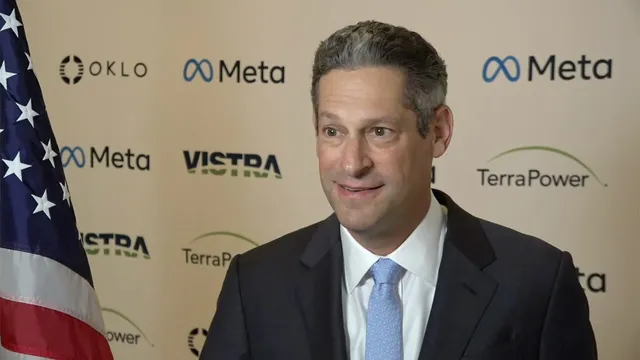
In the United States, Meta Platforms, Inc. has announced significant investments in nuclear power as part of its strategy to bolster energy supply for its operations. The company's chief global affairs officer, Joel Kaplan, revealed that Meta has signed 20-year agreements to procure energy from three nuclear plants owned by Vistra Energy, located in Ohio and Pennsylvania. These deals are projected to yield up to 6.6 gigawatts of power by 2035. Alongside these agreements, Meta will also collaborate with Oklo and TerraPower in developing new nuclear technologies, including small modular reactors to modernize the energy landscape. The necessity for alternative energy sources has become increasingly clear as energy demand surges, potentially straining the existing U.S. power grid. With the expansion of data centers and the growing need for reliable energy to support advanced computing and artificial intelligence (AI), Meta's nuclear power strategy is positioned as a vital component in the company's operational framework. Kaplan emphasized the importance of these investments, linking them to the U.S.'s competitive stance in the AI domain, particularly against China, who is advancing rapidly in this arena. Equally significant is the impact of these investments on local economies. Kaplan noted that the development of data centers associated with these nuclear power initiatives is expected to create thousands of skilled jobs, such as electricians and HVAC technicians, thereby contributing directly to the communities surrounding these power plants. Meta's strategy illustrates a dual benefit from these energy investments, both in securing power for its technology needs and stimulating local job growth in the process. As a result of these various agreements, Meta is on track to become one of the largest corporate buyers of nuclear power in U.S. history. By reinforcing its nuclear energy commitments, the tech giant intends not only to ensure an adequate energy supply but also to reinforce its leadership role in the advancing technology landscape. This move underscores the increasing convergence of energy and technology sectors, suggesting that strategic energy investments are a critical factor in maintaining the U.S. competitive advantage in the global AI race.
Context
The relationship between nuclear power investments and advancements in artificial intelligence (AI) is becoming increasingly significant as both fields evolve. Nuclear power represents a critical aspect of the energy sector, providing a reliable and low-carbon energy source essential for addressing climate change and meeting global energy demands. Simultaneously, AI technologies are rapidly advancing, enabling automation, optimization, and sophisticated data analysis across industries. This report investigates how investments in nuclear energy can influence AI developments and, conversely, how AI may enhance the safety, efficiency, and operational capabilities of nuclear power facilities. Investments in nuclear power have the potential to create substantial resources for AI research and development. As governments and private sectors allocate funding towards modernizing nuclear facilities, opportunities arise for integrating AI into various processes, such as predictive maintenance, operational efficiency optimization, and security enhancements. These investments bolster the technological infrastructure necessary for robust AI frameworks, fostering an environment where data-driven decision-making becomes paramount. Furthermore, collaboration between nuclear engineers and AI researchers can lead to innovative solutions that advance both sectors by utilizing powerful algorithms to analyze vast amounts of operational data, thereby improving safety protocols and increasing facility yield. On the other hand, the advancements in AI can significantly bolster the nuclear power industry. AI technologies, such as machine learning and neural networks, can be applied to enhance nuclear reactor design, streamline operations, and increase safety protocols by predicting potential failures before they occur. These applications not only improve the overall safety and efficiency of nuclear power plants but also contribute to the sustainability of energy production in a world where clean energy is urgently required. AI's ability to analyze complex datasets enables more precise modeling of reactor behavior and environmental impacts, fostering public trust and acceptance of nuclear energy as a viable option for a sustainable future. In conclusion, the intersection of nuclear power investments and AI advancements presents opportunities for both sectors to thrive. While investments in nuclear infrastructure can provide the necessary support for AI innovations, the application of AI technologies can enhance the performance and safety of nuclear operations. Recognizing this mutual benefit is essential for stakeholders involved in energy production and technological development. As both fields continue to progress, fostering collaboration between nuclear engineers and AI developers will be crucial in leveraging the strengths of each domain, ultimately promoting a more sustainable and technologically advanced energy landscape.


