

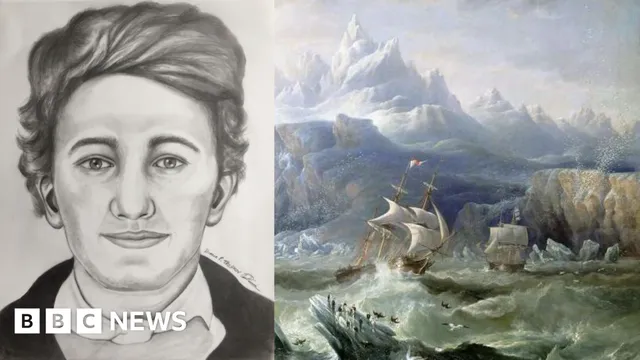
Researchers identify HMS Erebus sailors through DNA testing
Researchers identify HMS Erebus sailors through DNA testing
- Researchers identified remains of sailors from HMS Erebus using DNA testing.
- The exhibition at Pembroke Dock Heritage Centre will showcase artefacts from the shipwreck.
- The findings help descendants of the sailors understand their relatives' historical legacies.
Story
In a significant advancement in maritime archaeology, researchers from the University of Waterloo in Canada have identified the remains of sailors who perished during the HMS Erebus's ill-fated Arctic expedition in the mid-19th century. The ship, which aimed to navigate through the Arctic seas to find a route linking the Atlantic and Pacific oceans, became trapped in ice, leading to the deaths of all onboard. The challenging circumstances forced some crew members to resort to extreme survival measures, including cannibalism. The identification of three sailors' remains was made possible through advanced DNA testing techniques, which have provided personal connections to their modern-day descendants. The upcoming exhibition at Pembroke Dock Heritage Centre, set to open on June 8, 2026, marks the 200th anniversary of the HMS Erebus's launch. Artefacts recovered from the wreck, including a boot worn by an officer and a bowl, will be on display for the public for the first time. This exhibition aims to acknowledge the rich history surrounding these individuals and provide closure for the descendants of the sailors who never returned home. Four descendants of the Erebus crew, including a relative of Captain Franklin and David Young, will attend the launch, highlighting the historical significance of the event. Dr. Douglas Stenton, who has been at the forefront of excavating the remains, expressed that the discovery not only brings attention to the dire fates faced by these sailors but also assists descendants in understanding the legacy left by their ancestors. The families previously had little information about the circumstances surrounding their loved ones, lost to time and obscurity. Dr. Stenton remarked on the research's potential to connect modern families with their historical roots through both forensic facial reconstructions and DNA analysis, stepping toward bridging a narrative lost in history. This endeavor underscores the importance of preserving maritime history and understanding the human experiences behind such expeditions. The exhibition not only serves as a reminder of the tragic outcomes of exploration in the 19th century but also as a vehicle for storytelling that can engrain historical lessons in the collective memory of society.
Context
market trends insight economic impact geopolitical impact policy insight shift insight economic policy trends global impact data global trends geopolitical analysis strategic strategic economic economic market policy market insight data strategic market shift insight geopolitical data impact insight insight economic economic policy market impact policy global market economic policy insight global shift geopolitical data policy geopolitical shift trends global analysis shift trends analysis economic analysis economic strategic shift trends shift shift economic economic policy geopolitical strategic global market strategic geopolitical...


