

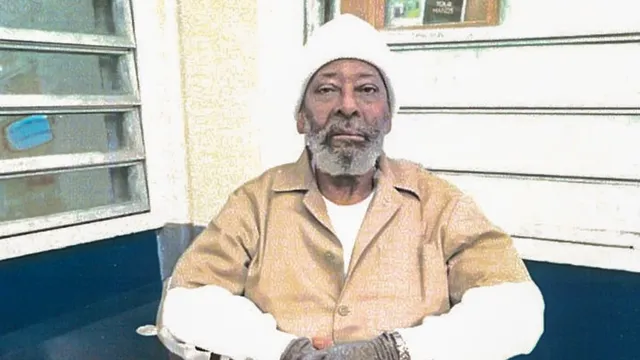
Governor Kay Ivey spares life of man not present during murder
Governor Kay Ivey spares life of man not present during murder
- Alabama Gov. Kay Ivey commuted the death sentence of Charles Burton to life without parole.
- Burton was involved in a robbery that resulted in the death of Doug Battle, but he was not present when the shooting occurred.
- Ivey's decision was partly influenced by public support and questions about fairness in sentencing.
Story
In Alabama, on March 10, 2026, Governor Kay Ivey commuted the death sentence of Charles 'Sonny' Burton, a 75-year-old man previously sentenced for a 1991 robbery that resulted in a murder. Burton was not present at the time of the actual shooting when his accomplice, Derrick DeBruce, killed Doug Battle during the crime. Ivey's decision came after public outcry and support from jurors, the victim's daughter, and the broader community, questioning the fairness of executing someone who did not kill. Despite having been one of six men involved in the robbery, Burton had left the store when the shooting occurred. There was significant concern regarding the disparity in punishment; while DeBruce initially received the death penalty, his sentence was commuted to life without parole after his defense was deemed inadequate. In her statement, Ivey expressed that it would be unjust for Burton to face execution when the individual who pulled the trigger did not face the same outcome. Burton maintained his innocence regarding the murder, stating he did not intend for anyone to be hurt during the robbery and was unaware that anyone had been shot at all until after the fact. In a previous interview, he expressed remorse and offered an apology to Battle's family, acknowledging his role in the robbery as a mistake but asserting he did not kill anyone. This case highlighted issues with Alabama's laws regarding felony murder, which can implicate co-felons in the penalty phase despite their level of involvement. Governor Ivey, who has been a proponent of the death penalty for severe crimes, underscored the need for equal application of justice. Her action to commute Burton's sentence was significant, as it was only the second time she had exercised clemency since her tenure began in 2017, which also reflects the shifting perceptions around capital punishment and its implications in cases involving multiple participants. Burton's sentence reduction represents a moral stance by Ivey, advocating for equitable treatment in the judicial system, particularly as societal views on penal consequences continue to evolve.
Context
Capital punishment in Alabama has been a subject of intense debate and controversy. The state has one of the highest rates of executions in the United States, which has raised questions about the morality and effectiveness of the death penalty as a form of punishment. Many advocates argue that capital punishment serves as a deterrent to violent crime, while opponents contend that it is an inhumane practice that disproportionately affects marginalized communities. The legal framework surrounding capital punishment in Alabama has also been criticized for its lack of transparency and consistency, with various cases highlighting procedural flaws and potential injustices throughout the judicial process. The legal discourse surrounding the death penalty in Alabama has evolved significantly over the years. At present, the method of execution primarily employed is lethal injection, which has faced its share of controversies regarding the drugs used, their efficacy, and the potential for prolonged suffering. There have been instances of botched executions that have fueled public outcry and led to temporary moratoriums on the death penalty in the state. Additionally, Alabama's death row is characterized by a high percentage of individuals who have been exonerated, raising serious concerns about wrongful convictions and the reliability of evidence presented during trials. Public opinion on capital punishment in Alabama is divided, reflecting a broader national discussion about the death penalty's validity. Surveys indicate fluctuating support, often influenced by high-profile criminal cases or shifts in social attitudes towards justice and rehabilitation. The presence of grassroots movements and advocacy organizations continues to challenge the application of the death penalty, calling for reforms that address racial bias, economic disparities, and mental health considerations within the criminal justice system. These efforts highlight the need for a more equitable approach to sentencing, emphasizing rehabilitation over retribution. In recent years, legislative actions and court rulings have further complicated the landscape of capital punishment in Alabama. The state has seen increased scrutiny from both national and international human rights organizations concerning its adherence to due process and humane treatment of inmates. As discussions surrounding criminal justice reform gain momentum, the future of capital punishment in Alabama remains uncertain. Policymakers face the critical task of balancing public safety with ethical considerations, as well as the need to uphold the integrity of the judicial system. Given the prevailing controversies and challenges, it is increasingly evident that Alabama's approach to capital punishment must undergo significant re-evaluation to address these pressing moral and legal issues.


