

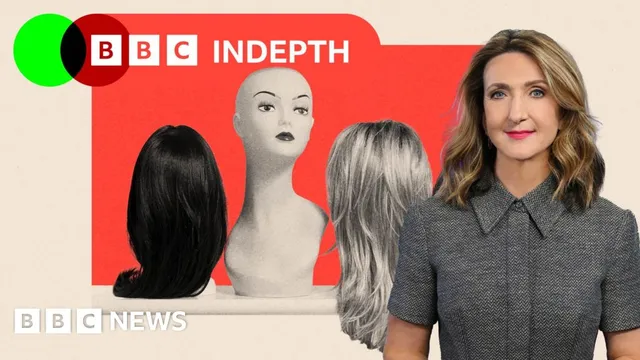
Breakthrough in hair loss treatment offers hope for women
Breakthrough in hair loss treatment offers hope for women
- Researchers in Japan have recreated the full cycle of hair growth in mice.
- The emotional impact of hair loss is often underestimated, especially among women.
- This breakthrough could lead to new treatments that address both the physical and emotional aspects of hair loss.
Story
In Japan, researchers led by Professor Takashi Tsuji have made significant strides in understanding hair loss and its emotional impact, particularly for women. They have successfully recreated the full cycle of hair growth in mice, which could pave the way for new treatments that allow hair to grow, fall out, and regrow naturally. This breakthrough is particularly important as it highlights the emotional and social significance of hair, which many women associate with their identity. The emotional toll of hair loss is often underestimated, and many women express that losing their hair is not merely a cosmetic issue but a profound loss of self. The research indicates that the causes of hair loss may differ between men and women, yet much of the scientific focus has historically been on male hair loss due to the higher prevalence of hair transplant surgeries among men. This has led to a lack of understanding of female hair loss, which can be triggered by various factors, including medical conditions and treatments like chemotherapy. Women often report that hair loss affects their self-esteem and identity, making it a deeply personal issue. The emotional responses to hair loss can vary widely; some women choose to shave their heads before losing their hair as a way to regain control over the situation. This proactive approach can help mitigate the emotional distress associated with the loss. The findings from Tsuji's team could eventually lead to treatments that not only address the physical aspects of hair loss but also consider the emotional ramifications, providing a more holistic approach to hair restoration. As scientists continue to explore the mechanisms behind hair growth and loss, the hope is that future treatments will be able to offer solutions that are effective for both men and women, recognizing the unique challenges faced by each gender. The ongoing research signifies a shift towards a more inclusive understanding of hair loss, which could ultimately lead to better support and treatment options for those affected.
Context
geopolitical shift strategic data global trends analysis strategic impact insight geopolitical market geopolitical trends shift economic strategic market global analysis policy shift impact shift data global global insight insight market impact policy global trends data economic global data geopolitical market impact global market economic trends geopolitical analysis market geopolitical policy market impact global economic policy analysis trends economic insight trends data policy global impact economic economic global analysis global data global geopolitical policy economic trends shift shift analysis trends market...


