

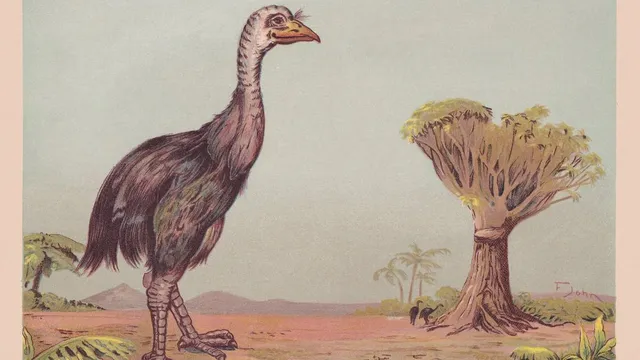
Colossal Biosciences attempts to bring moa back from extinction amid controversies
Colossal Biosciences attempts to bring moa back from extinction amid controversies
- Colossal Biosciences is attempting to de-extinct the giant moa in partnership with key organizations.
- Significant challenges include the need for surrogate eggs and ethical concerns raised by local Māori communities.
- Experts believe resources for the project could be better used for the conservation of endangered species.
Story
In New Zealand, a company called Colossal Biosciences is spearheading an ambitious project to bring back the giant moa, an extinct species of bird. This initiative, announced several months ago, is being conducted in collaboration with the Canterbury Museum and the Ngāi Tahu Research Centre, with support from filmmaker Peter Jackson. However, concerns have been raised by scientists and local Māori communities regarding the ethical and practical implications of such a project. Associate Professor Nic Roawlence from the University of Otago emphasizes the significant challenges faced in reviving the moa due to its complexity, particularly in genetic engineering and habitat restoration. One of the primary challenges revolves around the development of suitable surrogate eggs for the moa chick, since there are no existing birds that can produce eggs fit for a growing moa. Professor Roawlence highlights the technical difficulties in genetically engineering birds, as the moa's nearest living relative is the tinamou, a small bird from South America. This means that scientists must navigate evolutionary changes over 60 million years, complicating efforts to recreate the genetic characteristics of the moa. The lack of closely related species further complicates the genetic engineering necessary to return the moa to its original form. Additionally, local Māori communities have expressed their disapproval of the project due to concerns about consultation and potential cultural ramifications. Many feel that there has been inadequate discussion surrounding the genetic engineering process and the possibility of genetic materials being sent abroad for analysis or manipulation. The Māori also question the priorities of the project, as resources could alternatively be allocated to the conservation of New Zealand's currently endangered species, instead of pursuing de-extinction efforts. Furthermore, habitat restoration poses yet another hurdle for the success of the moa’s revival. The environment in which moa thrived has significantly changed, and restoring that habitat would require extensive effort and resources. If the species were to be successfully de-extinct, inbreeding and genetic drift may occur if the population does not meet a critical size—estimated at around 500 individuals—which poses additional concerns about viability and long-term sustainability. Ultimately, while Colossal's technology is remarkable, Professor Roawlence advocates for redirecting the funds and efforts toward conserving existing biodiversity in New Zealand instead of focusing on the recreation of extinct species.


