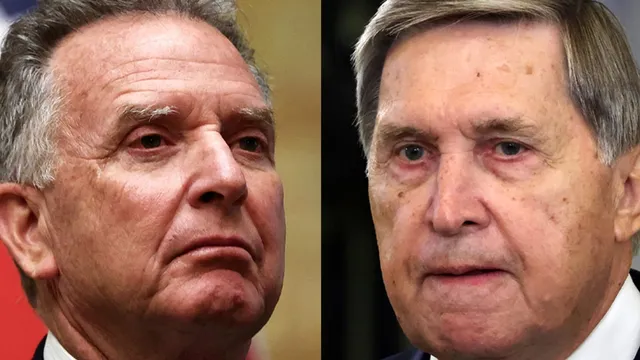
In the ongoing conflict in Ukraine, negotiations have taken a tense turn following the leak of phone conversations between senior U.S. envoy Steve Witkoff and Russian representatives. These discussions were aimed at negotiating a peace plan, and the Kremlin has expressed concerns that the leak was designed to disrupt the fragile peace talks. Russian presidential aide Yury Ushakov noted that while he regularly communicates with Witkoff, some leaks appearing in the media may be fake. This situation has raised questions about the integrity of U.S.-Russia communications, suggesting possible internal struggles within the U.S. administration, reminiscent of past scandals involving leaks of sensitive information.
Moreover, President Donald Trump affirmed that there is no immediate deadline for reaching a peace deal, despite previously stating that he expected Kyiv to endorse a proposal by Thanksgiving. The Kremlin echoed these sentiments, cautioning that it was still too early to declare an end to hostilities in Ukraine. As discussions evolve, both sides are weighing the terms and adjustments to the peace plan, which originally skewed in favor of Moscow by requiring Ukraine to cede territorial control.
Ushakov's public comments point towards a larger issue of trust and privacy between both nations. The leaks risk damaging the normalization process between Moscow and Washington, which Ushakov acknowledged as necessary for continued communication. He also warned that revealing private discussions could hinder negotiations, illustrating the delicate balance required in diplomatic efforts.
Finally, as this saga unfolds, it appears that while both nations attempt to navigate the complex terrain of geopolitical relations, the internal dynamics within Washington could be impacting U.S. representatives' ability to negotiate effectively. The urgency to stabilize the situation in Ukraine remains, but the road to peace may still be fraught with challenges arising from espionage, leaks, and the political motives behind them.