

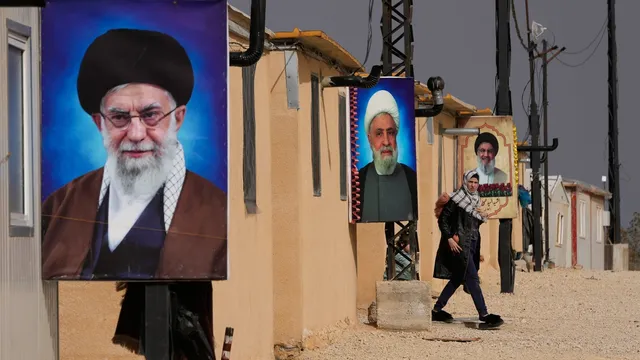
Lebanese army finds no evidence of pro-Assad presence in refugee compound
Lebanese army finds no evidence of pro-Assad presence in refugee compound
- A compound in Lebanon shelters hundreds of Syrian refugees who fled after the fall of Bashar Assad, facing allegations of harboring his supporters.
- The Lebanese army has conducted inspections and found no illegal activities in the compound, despite media speculation.
- Residents and local officials argue that the allegations against the refugees are politically motivated and unfounded.
Story
In Lebanon, a walled compound has become a temporary refuge for hundreds of individuals who fled from Syria following the fall of Bashar Assad, which significantly altered the power dynamics in the region. This event marked a turning point after years of civil conflict that began in 2011. The compound, with 228 housing units, has been criticized in recent months due to allegations that it hosts supporters of the ousted leader, Bashar Assad. Residents have strongly denied these accusations, insisting they are merely seeking safety after being forced to leave their homes. The compound features posters of various figures, including Iranian leaders and members of Hezbollah, which some have interpreted as signs of loyalty for the former regime. This has drawn attention from local authorities, prompting inquiries and inspections by the Lebanese army. In these raids, officials confirmed they found no evidence to support claims of armed activities or any ties to Assad loyalists. The mayor of Hermel, Ali Taha, emphasized that the fears surrounding the facility are likely politically motivated, dismissing the allegations against the residents. Many of the individuals residing in the compound are Shiite Muslims and Alawites, who fled due to the violent sectarian clashes that occurred post-Assad's fall, leading to the brutal killings of Alawite civilians by newfound authorities in Syria. The land for the compound was provided by the local municipality, and funding for the housing units was sourced from Shiite religious institutions in Iraq and Iran. As the crisis continued, the influx of refugees strained local resources; the mayor noted that Hermel's population doubled in hours as over 50,000 individuals escaped from Syria. Among the residents is Maha al-Abeer, a widow who opened a grocery store to sustain her family. She expressed gratitude for having shelter, illustrating the desperation of many who have sought refuge in safer conditions, far from the tents and mosques where they once lived. As internal conflicts in Syria persist, many refugees remain in precarious situations, relying on international support and local efforts to secure their basic needs. However, without a clear resolution or political stability in Syria, the fate of these refugees remains uncertain, highlighting the enduring effects of the civil war on neighboring nations.


