

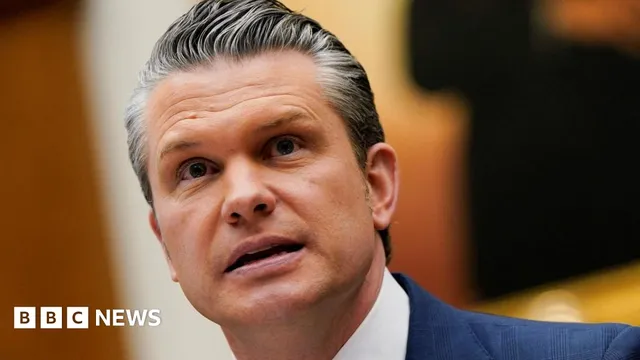
Pete Hegseth declares congressional critics the biggest adversary in Iran war
Pete Hegseth declares congressional critics the biggest adversary in Iran war
- Defense Secretary Pete Hegseth testified before Congress regarding the U.S. war against Iran initiated in February 2026.
- Hegseth faced scrutiny from lawmakers over the war's cost, legal justification, and civilian casualties.
- The confrontation emphasizes a growing divide between the Pentagon and Congress that could impact future military funding and strategies.
Story
In February 2026, the United States initiated military operations against Iran without explicit congressional authorization, escalating tensions with lawmakers concerned about the war's costs and legality. Defense Secretary Pete Hegseth faced intense questioning during his testimony at the House Armed Services Committee as Congress scrutinized the financial implications and military strategy behind the conflict. This event occurred amidst rising bipartisan criticism of the administration's lack of transparency regarding the objectives and impacts of the war, emphasizing the political divide over national security issues. Lawmakers specifically highlighted the conflict's significant financial burden, with estimates of $25 billion already incurred within a couple of months. The dialogue between Hegseth and congressional representatives also delved into accusations concerning civilian casualties attributed to U.S. actions in Iran. As the conflict progressed, reports of incidents, such as the bombing of a school, provoked democratic lawmakers to question the moral implications of the military operations. Additionally, concerns were raised regarding the military's preparedness in the wake of concurrent drone attacks by Iran that reportedly harmed American troops. As the military campaign against Iran continued, a fragile ceasefire was established, yet the overall military and political strategy remained unclear, prompting further questions from Congress. This confrontation highlighted the deepening rift between the Pentagon and legislative leaders, a divide that could significantly influence future funding decisions and challenges to war powers in the United States. The increasing skepticism from both sides of the political aisle raised questions about the administration's ability to sustain operations while addressing the concerns over military readiness and resource depletion. Hegseth’s assertion that criticism from congressional members served as a greater threat than Iran itself led to sharp pushback, particularly from Democrats who accused the administration of providing misleading information about the war’s timeline and goals. As the U.S. military faced mounting pressure from Congress and the public, the implications of the conflict extended beyond immediate military operations to shape long-term strategies for national defense and international relations. The witnesses' testimonies emphasized the need for a cohesive approach to warfare that involves greater accountability and communication with congressional representatives to ensure that military actions align with the nation’s foreign policy objectives. Critics within Congress have called for a reevaluation of war powers, seeking clarification on the administration's objectives as the evolving situation with Iran continues to unfold.


