

Roman occupation severely affected health of British population
Roman occupation severely affected health of British population
- Archaeologists uncovered infant skeletons from the Roman occupation period in Britain, revealing significant health issues.
- Urban areas experienced a dramatic rise in diseases as a result of overcrowding and poor living conditions.
- This study demonstrates that the Roman occupation led to long-term health impacts, particularly on infants and women.
Story
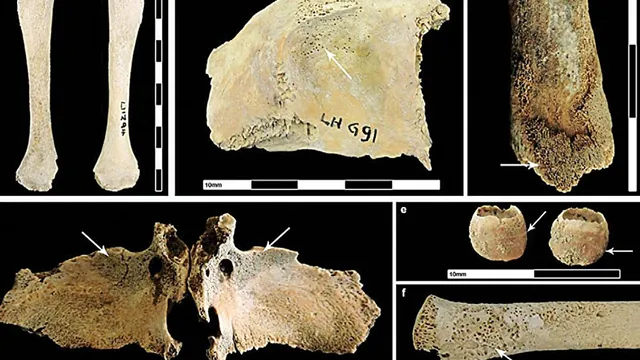
The Roman occupation of Britain, which began in 43 AD, introduced significant health challenges to the local population. Archaeologists have found that this period was marked by urbanization that led to overcrowding and a lack of resources, which aggravated health issues. Notably, urban areas experienced a substantial rise in diseases, negatively impacting the health of infants and women. By investigating infant skeletons from this time, researchers identified numerous health stressors that would have affected child development, indicating a public health crisis exacerbated by Roman urban infrastructure, particularly the presence of lead in water systems. The analysis involved a total of 646 skeletons, comprising 372 children and 274 adult females from both urban and rural sites across southern and central England. The research highlighted that while urban infants exhibited significant health problems, rural populations did not face as dramatic changes in their health compared to the earlier Iron Age. This suggests a divergence in health outcomes closely linked to residential conditions during the Roman Period. Researchers adapted their methodologies to study the health stressors affecting infants and women, who were seen as two pivotal demographics for understanding the broader socioeconomic impacts of the Roman presence. The findings illuminated how urban lifestyles led to negative health markers in infants, potentially transferring adverse health effects across generations. This historical perspective raises questions about the underlying narratives of civilization and progress touted by Roman authorities. The implications of the research extend beyond historical inquiry, as they inform contemporary understandings of health disparities arising from urbanization. By connecting past urban health crises to modern public health issues, scientists underscore the enduring legacy of social upheaval initiated by the Roman Empire, which established long-term health implications for successive generations of the British populace.
Context
The socioeconomic changes during the Roman occupation were profound and multifaceted, affecting various aspects of life in the territories occupied by Rome. This period marked a significant transition from local, often agrarian economies to a more integrated and complex economic system characterized by increased trade, urbanization, and the introduction of Roman administrative practices. Local populations were exposed to Roman goods, technology, and methods of production, which not only transformed agricultural practices but also enhanced local craftsmanship and trade networks. The influx of Roman currency facilitated commerce, while new infrastructures such as roads and aqueducts connected previously isolated regions, enabling goods and ideas to circulate more freely. As urban centers emerged and expanded, cities became focal points of economic activity and cultural exchange. The establishment of Roman colonies and towns introduced a new social order, where local elites often adopted Roman customs and governance structures. This integration created opportunities for upward mobility within the Roman system, though it also led to the marginalization of traditional social structures. The introduction of Roman law and taxation systems necessitated a reorganization of local economies, compelling residents to adapt to new roles, whether as laborers, merchants, or bureaucrats in the service of the Roman administration. Consequently, wealth began to concentrate among those who were able to navigate and exploit these changes in the economic landscape. Moreover, the demographic shifts caused by Roman occupation had significant implications for local societies. The movement of Roman soldiers and settlers into occupied territories altered the population dynamics and introduced new cultural and social influences. Intermarriage between Romans and local populations was common, leading to a blending of cultures that would shape the identity of future generations. However, this also generated tensions as some local groups resisted Roman control, leading to conflicts and uprisings that further shaped socioeconomic conditions. The imposition of Roman norms and practices could lead to discontent, as traditional ways of life were disrupted, and local populations found themselves adapting to an often unfamiliar governance system. In summary, the Roman occupation catalyzed significant socioeconomic transformations in the regions it touched. The integration of local economies into a wider Roman market system, the emergence of urban centers, and the reorganization of local social hierarchies created a complex dynamic of change. While opportunities for wealth and social mobility increased for some, others faced disruption and loss of traditional autonomy. The era laid the groundwork for future developments in Europe, as the legacies of Roman administration and infrastructure would influence the trajectory of European societies long after the fall of the Empire.


