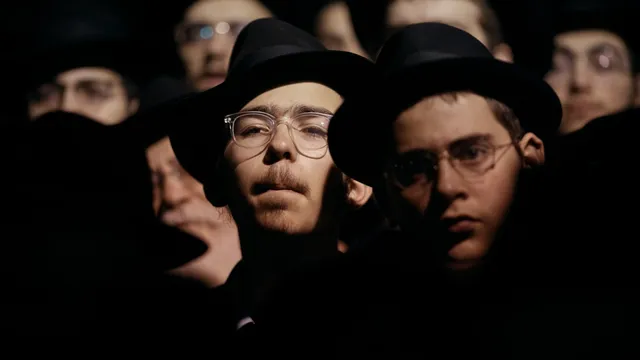
In the United States, discussions surrounding the Sunshine Protection Act have raised concerns among various religious communities regarding the potential shift to permanent daylight saving time. This legislation aims to eliminate the biannual clock changes, which proponents argue would provide more daylight in the evenings. However, for many religious Americans, particularly Orthodox Jews, this change poses significant challenges. Orthodox Jews, who make up nearly 10% of the Jewish population in the U.S., rely on specific times for their morning prayers, known as Shacharit, which are traditionally recited between sunrise and midday. The proposed change would push sunrise an hour later during the winter months, complicating their ability to perform these prayers before work or school. Rabbi A.D. Motzen, the national director of government affairs for Agudath Israel of America, highlighted the varying impacts across different states, noting that while California may see minimal disruption, states like Indiana and Michigan could face much harsher realities, with nearly 150 days a year affected by the later sunrise. The implications extend beyond Orthodox Jews, as Muslims also face challenges with their morning prayers and fasting schedules, which would shift later into the day. Other religious groups, such as Christians, Buddhists, and Hindus, may experience less impact due to the nature of their prayer practices. Christians generally do not have strict daily prayer times, while Buddhists do not adhere to mandatory schedules. However, some Hindus may find their practices, like Sandhyavandanam, affected as they are tied to the sun's position. The ongoing debate highlights the need for careful consideration of how legislative changes can impact the daily lives and religious observances of diverse communities across the nation.