

Scientists develop drought-resistant rice amidst climate crisis
Scientists develop drought-resistant rice amidst climate crisis
- The University of Nottingham is developing new rice varieties that can withstand drought.
- Researchers are experimenting with climate-resilient gene variants to enhance food security.
- This collaboration aims to combat food instability affected by climate change.
Story
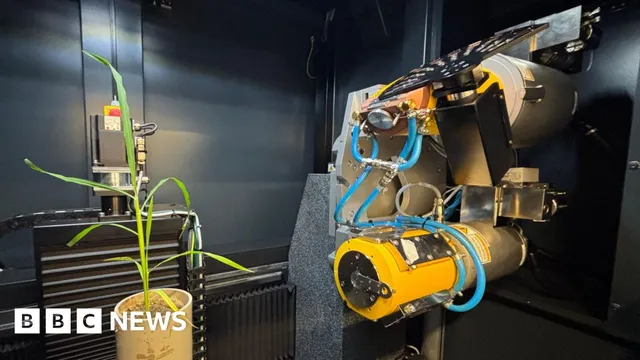
In the United Kingdom, scientists at the University of Nottingham have initiated a significant research initiative aimed at developing drought-resistant rice varieties. This endeavor comes as a response to the increasing challenges posed by climate change, particularly the unpredictable rainfall patterns affecting rice production. Rice is a staple food for over half of the world’s population, and ensuring stable production levels is critical for global food security. The research team, led by professors Erik Murchie and Ranjan Swarup, is utilizing specialized growth rooms at the university's Sutton Bonington campus to simulate various climate conditions. Their focus is on identifying climate-resilient gene variants in rice plants that may provide the necessary traits for withstanding drought and heat stress. This involves rigorous testing and analysis, including the use of micro-CT scanners to visualize root responses to environmental stressors without damaging the plants. Over the next three years, these genetically modified rice plants will be tested under field conditions in the Philippines, in collaboration with the International Rice Research Institute (IRRI). The team aims to understand the biological underpinnings of heat stress and drought tolerance, making strides towards breeding improved rice varieties that can adapt to changing climates. This collaborative effort underscores the importance of international partnerships in addressing global agricultural challenges. The initiative is funded by the International Climate Finance (ICF), which supports developing nations in their response to climate change effects. The importance of this research is magnified by geopolitical concerns and climate vulnerabilities prevalent in rice-producing countries like Bangladesh, India, and Pakistan. As global food production continues to be jeopardized by factors such as extreme weather and regional instability, the advancement of drought-resistant rice varieties becomes essential for ensuring food security for billions worldwide.
Context
Climate change poses a significant threat to global agriculture, with rice production being particularly vulnerable due to its dependence on specific environmental conditions. Rice is a staple food for more than half of the world's population, and its cultivation is closely tied to climate-sensitive factors such as temperature, water availability, and soil health. As global temperatures rise and weather patterns become more erratic due to climate change, it jeopardizes not only the quantity but also the quality of rice yields. In regions where rice is predominantly grown, such as Asia, any adverse changes in climate could lead to devastating food security consequences. Elevated temperatures, especially during the flowering and grain-filling stages of rice, negatively impact yields by reducing the grains' viability and overall productivity. Studies indicate that for every 1°C increase in temperature, rice yields can decline by approximately 10%. This temperature sensitivity is heightened in already warmer areas, contributing to increased stress on crops. Moreover, rice paddies require significant amounts of water; thus, changes in precipitation patterns pose additional challenges. Regions that experience prolonged droughts or, conversely, extreme flooding may see drastic reductions in rice production. In addition to temperature and moisture changes, climate change may introduce new pests and diseases that further threaten rice cultivation. Warmer temperatures can allow pests to thrive beyond their typical ranges, potentially resulting in increased infestations and crop losses. Furthermore, the impact of increased carbon dioxide in the atmosphere can also lead to changes in rice nutrient profiles, potentially affecting the nutritional quality of the grain produced, which could have broader implications for human health. Adaptation strategies will be essential to mitigate the impacts of climate change on rice production. This might include developing climate-resilient rice varieties that can withstand higher temperatures and fluctuating moisture levels, implementing improved agricultural practices that conserve water, and incorporating integrated pest management techniques. Policymakers must also invest in research and infrastructure to support growers facing the challenges posed by a changing climate, ensuring the stability of rice production as a crucial element of global food security for the future.


