

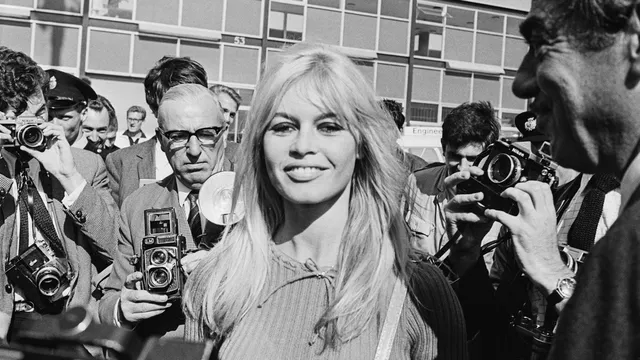
Chappell Roan retracts tribute to Brigitte Bardot amid backlash over her views
Chappell Roan retracts tribute to Brigitte Bardot amid backlash over her views
- Chappell Roan initially praised Brigitte Bardot as her inspiration for 'Red Wine Supernova' after Bardot's death.
- Roan faced backlash as the actress's controversial views on race and religion resurfaced.
- Following the criticism, Roan quickly retracted her tribute and condemned Bardot's views.
Story
In France, the passing of prominent actress Brigitte Bardot on December 28, 2025, led to significant reactions, particularly from pop singer Chappell Roan. Shortly after Bardot's death, Roan paid homage to the actress, stating that she was the inspiration behind her 2023 song 'Red Wine Supernova.' This tribute, however, was met with backlash as Bardot’s history of controversial statements surfaced, including her far-right political beliefs and previous convictions for inciting racial hatred against Muslim and Jewish communities. Roan, previously unaware of Bardot's views, expressed her shock in a follow-up message, denouncing those views and acknowledging her disappointment at Bardot's past actions. Many fans urged Roan to remove her post, leading her to delete the original tribute. The incident sparked debate on social media regarding the appropriateness of the backlash directed at Roan, revealing a divide in opinions on how artists should acknowledge historical figures with problematic pasts. Roan's quick retraction indicates a growing sensitivity in public discourse surrounding the legacies of cultural icons and their controversial positions, showcasing the impact of social media on contemporary artist-fan interactions and public perception. This situation exemplifies the challenges faced by modern artists seeking to navigate their influences while responding to their audiences’ moral expectations.
Context
Brigitte Bardot, a French actress, singer, and model, is considered one of the most iconic images of the 20th century. However, her career has been marred by an array of controversial statements that have drawn public scrutiny and backlash. Over her decades-long career, Bardot has shifted from being a celebrated film star, known for her beauty and talent, to a polarizing figure due to her often provocative and increasingly outspoken views on various socio-political issues. This transition has significantly impacted her public perception and legacy, often overshadowing her artistic contributions. Throughout her life, Bardot has made headlines for comments regarding immigration, animal rights, and cultural topics. She has been particularly vocal about her views on Islam and immigration in France, expressing sentiments that many have characterized as xenophobic and inflammatory. Such remarks have led to multiple legal challenges, including charges of inciting racial hatred. Bardot's critics argue that her statements perpetuate intolerance and reflect a disturbing trend of right-wing populism in France, while her supporters claim that her commentary stems from a genuine concern for French culture and identity. In addition to her controversial statements on immigration and Islam, Bardot has also been an active animal rights advocate, which has added another layer to her public persona. She founded the Brigitte Bardot Foundation for the Welfare of Animals in 1986, highlighting her dedication to animal rights. While this aspect has garnered her support from animal rights activists, it is frequently overshadowed by her inflammatory remarks on other subjects, leading many to question the sincerity of her advocacy and demanding a more compassionate approach in her messaging. Overall, the history of Brigitte Bardot's controversial statements paints a complex picture of a once-celebrated cultural icon whose later years have been marked by polarizing opinions and public outrage. This transformation from an emblem of beauty and elegance to a contentious figure serves as a reminder of the weight of public statements made by influential figures. Bardot's legacy is a multifaceted one—containing both her artistic contributions to cinema and the societal repercussions of her often divisive rhetoric.


