

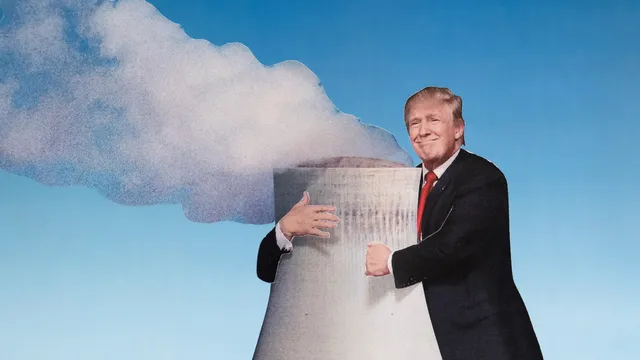
Trump administration rewrites nuclear regulations amid safety concerns
Trump administration rewrites nuclear regulations amid safety concerns
- The Trump administration has actively changed the regulatory framework for the Nuclear Regulatory Commission.
- Concerns about safety and oversight have been raised by former NRC officials and industry advocates.
- The accelerated push for nuclear solutions aims to support American industry and meet rising energy demands.
Story
In the United States, under the leadership of President Donald Trump, significant changes have been occurring within the Nuclear Regulatory Commission (NRC). The administration has been aggressively reshaping regulations to facilitate the growth of the nuclear energy sector, often raising alarms about safety and oversight. Criticism has emerged from various quarters, including former NRC heads, concerning the independence of the commission and the appointment of officials without a background in nuclear energy policy. Most notably, changes initiated during this period aim to reduce compliance costs, including proposals that would permit increased radiation emissions from nuclear facilities. This regulatory realignment has faced pushback from nuclear safety advocates who warn that accelerating the nuclear development process without due caution might compromise public safety. The regulatory framework originally designed for larger reactors remains inadequate in addressing the needs of innovative and advanced reactor designs being explored today. As the country gears up to meet the rising demand for electricity driven by AI and manufacturing, these developments in the nuclear sector aim to provide new solutions. However, the shift has posed significant legal and operational challenges, leading to opposition from traditional energy advocates who worry that moving too quickly can obscure critical safety considerations. In this landscape, nuclear power has been recognized for its capability to provide a stable and reliable energy source, constituting nearly 20% of America's electricity generation. The urgency to replace retiring power plants and meet increased demand from various sectors has catalyzed discussions around nuclear energy’s potential. By promoting advanced nuclear technologies such as small modular reactors, officials argue that these innovations could be pivotal in revitalizing American industry and ensuring energy security, thus reducing reliance on fossil fuels. Nevertheless, the regulatory environment remains complex as the NRC attempts to modernize its processes for new reactor technologies. Recent initiatives highlight the importance of re-evaluating outdated regulations in order to streamline nuclear development. Overall, the narrative surrounding the upcoming energy transition emphasizes a delicate balance between industrial growth, safety, and regulatory oversight amidst geopolitical concerns associated with energy independence. Thus, a consensus on balancing innovation with rigorous safety standards is crucial for the future of nuclear energy in the United States.


