

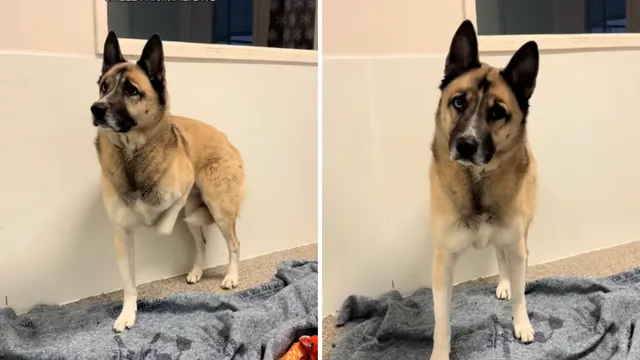
Shelter dog blue faces despair in overcrowded environment
Shelter dog blue faces despair in overcrowded environment
- Blue is a shepherd-husky mix who was surrendered to a shelter in California.
- He has been struggling with the excessive stress of the shelter environment.
- Blue is seeking a loving home where he can truly thrive and be himself.
Story
In a distressing situation at a shelter in California, a dog named Blue, a shepherd-husky mix, was surrendered, leading to a significant change in his demeanor and health. Upon entry into the Valley Animal Center, Blue was overwhelmed by the noise and chaos surrounding him, which contributed to his decline. He began to withdraw, losing interest in food and appearing despondent. Blue’s challenges are poignant as they reflect the broader issue of overcrowded animal shelters that struggle to accommodate the influx of pets needing new homes. Volunteers at the shelter, like Jackie Gonzalez, have made efforts to care for Blue and provide insight into his true nature. Despite being shy and initially nervous, Blue embodies loyalty and affection once he starts to trust those around him. However, the current environment is far from ideal for him, stifling his spirit and hindering the bond he can forge with humans. He is noted to be friendly with both cats and dogs, which adds to his appeal once he adapts to a loving home. The plight of Blue is mirrored in the lives of countless animals trapped in similar circumstances. Reports indicate that millions of animals find themselves in shelters each year, with an alarming number at risk of euthanasia. Blue, having been overlooked for months, exemplifies the many pets whose potential is lost in the noise of overcrowded facilities. The emotional impact on these animals often goes unreported, but is incredibly significant. With the adoption rates being a concern, the volunteers and animal advocates emphasize the critical need for compassionate individuals willing to open their homes to animals like Blue. They highlight that a loving environment is crucial for rehabilitation and developing the strong bonds that bring joy to both the animal and owner. Efforts are ongoing to raise awareness regarding humane treatment and encourage adoption, which can drastically alter the life circumstances of these neglected animals.
Context
Adoption from animal shelters is a crucial aspect of animal welfare, providing homes to millions of animals annually. In the United States alone, it is estimated that approximately 3.2 million shelter animals are adopted every year. This figure encompasses both dogs and cats, with a significant portion of the adoptions occurring during special events and through various outreach programs by shelters and rescue organizations. The persistence of animal overpopulation in shelters calls for consistent efforts toward increasing adoption rates and promoting spay and neuter initiatives to manage stray populations more effectively. The adoption process is designed not only to find forever homes for animals but also to ensure that the new guardians are well-prepared and committed to the responsibilities of pet ownership. Many shelters conduct thorough assessments of potential adopters, providing education about the needs of the pets, which includes aspects such as diet, training, exercise, and healthcare. This approach helps to reduce the number of returns of adopted animals, which is a significant concern for many shelters as returning an animal can be traumatic for both the pet and its owner. In addition to the traditional methods of adoption, technology plays an increasingly important role in connecting potential adopters to animals in need of homes. Social media platforms, dedicated pet adoption websites, and applications designed for pet adoption have revolutionized how shelters reach out to the public. These digital avenues provide more visibility for the animals and enable people to learn about available pets easily. Moreover, during specific times of the year—like during April’s National Adopt a Shelter Pet Day—many organizations hold campaigns to encourage adoptions, discounts on fees, and special events aimed at increasing awareness about shelter animals. While the figures surrounding adoptions demonstrate significant engagement and desire among the public to help animals in need, challenges remain. Many animals still face euthanasia due to overcrowding, particularly in under-resourced shelters. Efforts from local governments, community initiatives, and national organizations are essential to sustaining and increasing adoption rates. Continued public education and advocacy play a pivotal role in creating a culture that prioritizes adoption over purchasing pets from breeders or pet shops. Thus, as we look toward the future, it is imperative to build upon the existing frameworks to enhance the lives of countless homeless animals through adoption.


