
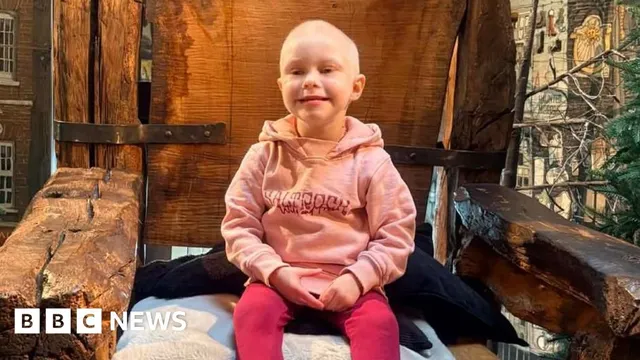
York girl, four, triumphs after successful bone marrow transplant
- Autumn, diagnosed with Hyper-IgE syndrome, began her treatment at Great North Children's Hospital in Newcastle last October.
- After a successful bone marrow transplant from a German donor in December, she is gradually recovering and producing her own immune cells.
- Her family remains hopeful for her return home, demonstrating resilience through a challenging isolation period.
Story
In the United Kingdom, a four-year-old girl named Autumn has shown remarkable progress following a successful bone marrow transplant. Diagnosed with Hyper-IgE syndrome, a rare genetic condition affecting her immune system, Autumn began her treatment journey at Great North Children's Hospital in Newcastle. Her family, residing near York, discovered her condition when she was around 18 months old. The unique disorder means that although Autumn's body produces white blood cells, they lack the ability to effectively combat infections due to a genetic malfunction. There are only about 60 documented cases of this syndrome in the UK, making Autumn's condition particularly rare. Her treatment included six months of hospital care, starting in October, during which she underwent chemotherapy and the critical bone marrow transplant from a German donor in December. Following the transplant, Autumn needed to remain in isolation to protect her recovering immune system, a necessary precaution to minimize the risks of infections during her healing process. Her family had to adapt to an unexpected life of isolation, living in a nearby hotel since Christmas Eve, with strict limitations on their movements. They could only leave their hotel accommodations for medical appointments as they waited for Autumn's new immune cells to develop. After 99 days post-transplant, Autumn began producing her new T cells, marking a significant milestone in her recovery. Louise, Autumn's mother, expressed optimism regarding her daughter's progress, highlighting her improved health, with hints of beautiful skin and regrowing hair. Despite the challenges of isolation, Louise proudly declared her daughter was doing incredibly well. The family's experiences reflect not only the complexity of Autumn's medical journey but also the emotional rollercoaster they endured as they navigated the medical landscape of rare diseases. In addition to the physical aspects of the illness, the emotional toll on her family was profound. Living under constant medical scrutiny and the threat of infections only added to their challenges. Though they were eager to return home, Autumn would need to readjust to “purple isolation” once more, as her immune system has to mature fully. This journey also sheds light on the broader implications of rare genetic disorders and the resilience families must cultivate in the face of uncertainty, advocating for awareness, understanding, and medical research aimed at improving the lives of children like Autumn.
