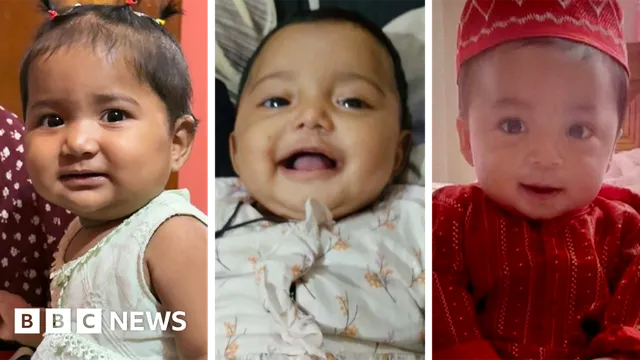
The impact of vaccine shortages on public health in Bangladesh is a pressing issue that has significant implications for the country's healthcare system and population health outcomes. Vaccine shortages can lead to increased susceptibility to infectious diseases, particularly among vulnerable populations such as children and the elderly. In Bangladesh, where immunization programs are critical for controlling diseases like measles, polio, and hepatitis, any disruption in vaccine supply can result in outbreaks that threaten public health. The consequences of these shortages are not only immediate but can also have long-term effects on community health, economic stability, and overall quality of life.
The reasons for vaccine shortages in Bangladesh are multifaceted, including supply chain disruptions, funding constraints, and logistical challenges in distribution. The global demand for vaccines has surged, particularly in the wake of the COVID-19 pandemic, which has strained manufacturing capacities and diverted resources. Additionally, local factors such as political instability, inadequate infrastructure, and limited healthcare funding exacerbate the situation, making it difficult for health authorities to maintain a consistent supply of vaccines. As a result, immunization coverage rates may decline, leading to increased morbidity and mortality from vaccine-preventable diseases.
Addressing vaccine shortages requires a coordinated response from the government, international organizations, and local health agencies. Strategies may include strengthening supply chain management, increasing investment in vaccine production, and enhancing public awareness about the importance of vaccination. Furthermore, collaboration with global health initiatives can help secure necessary resources and ensure that vaccines are available to those who need them most. It is essential to prioritize immunization programs and allocate sufficient funding to prevent future shortages and protect public health.
In conclusion, the impact of vaccine shortages on public health in Bangladesh is a critical concern that necessitates immediate attention and action. By understanding the underlying causes of these shortages and implementing effective strategies to mitigate their effects, Bangladesh can improve its immunization rates and safeguard the health of its population. Ensuring a reliable supply of vaccines is vital for preventing outbreaks of infectious diseases and promoting a healthier future for all citizens.