

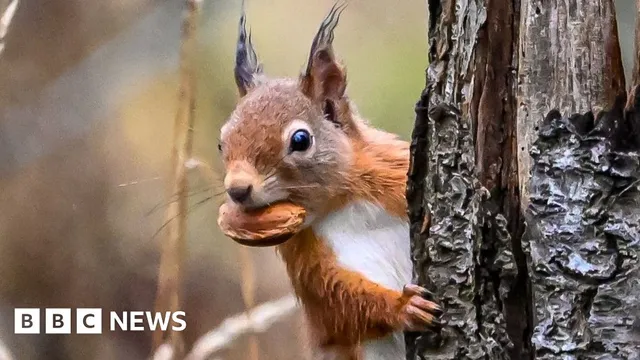
Red squirrels thrive again in Aberdeen due to community efforts
Red squirrels thrive again in Aberdeen due to community efforts
- Citizen scientists played a vital role in reviving the red squirrel population in Aberdeen.
- A successful conservation project reduced the invasive grey squirrel numbers to near eradication.
- The red squirrels' return symbolizes a significant ecological achievement and a thriving community effort.
Story
In Scotland, the efforts of a dedicated group of volunteers have led to the remarkable revival of the red squirrel population in Aberdeen. This project, known as Saving Scotland's Red Squirrels (SSRS), has been actively working to save the species since 2009 and has achieved significant milestones in the past 16 years. The area saw a decline in red squirrels due to the invasive grey squirrel species, originally brought over from North America, which outcompetes the native red squirrels for food and habitat. Many grey squirrels also carry a virus that is lethal to red squirrels, exacerbating the problem. The project utilized various methods, including the establishment of feeder boxes to collect hair samples, which confirmed the near eradication of grey squirrels in the city. Data from the local surveys showed no confirmed grey squirrel samples found in the feeder boxes during a specific quarter of the year, indicating a successful reduction in their numbers. The first confirmed sighting of red squirrels in Aberdeen occurred about two years after the project's inception, which signaled a turning point in the urban squirrel population's fortunes. Volunteers such as Joel Sangster and Seshadri, along with their children, have embraced the initiative, highlighting the community's engagement and the importance of 'citizen science' in conservation efforts. The efforts have been commended by conservationists, with Naomi from SSRS expressing optimism about achieving full eradication of grey squirrels from the area. This success story serves as a testament to the power of community involvement and long-term commitment to wildlife conservation. The resurgence of red squirrels not only restores ecological balance but also enriches local biodiversity, allowing residents to reconnect with their natural surroundings. The individuals involved in this initiative have shared their experiences, emphasizing the satisfaction and joy they derive from contributing to nature's restoration. Thanks to these community efforts, red squirrels are expected to remain a part of Aberdeen's ecosystem for the foreseeable future. In conclusion, the ongoing efforts of citizen scientists and conservation projects like SSRS play a critical role in reversing the impacts of invasive species and fostering healthier ecosystems. The red squirrel population in Aberdeen stands as a successful example of how collaborative efforts can lead to a thriving wildlife community, providing hope not just for selected species but for broader environmental health.


