

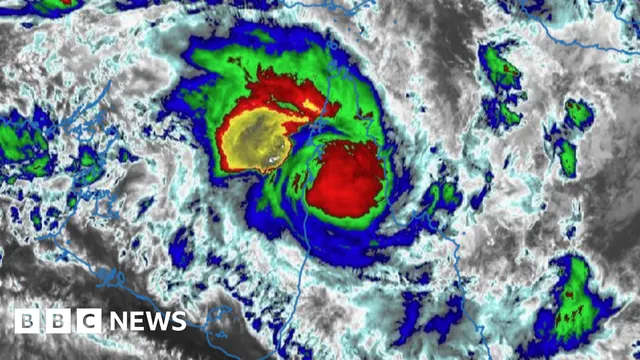
Australia braces for deadly category 5 cyclone Narelle
Australia braces for deadly category 5 cyclone Narelle
- Tropical Cyclone Narelle has rapidly intensified to category 5 as it approaches Far North Queensland.
- Emergency services are deployed, urging residents to prepare for impact as landfall is expected on March 20.
- The storm could lead to widespread destruction and significant flooding in affected areas, prompting large-scale evacuations.
Story
Australia is facing significant threats as Tropical Cyclone Narelle approaches the northern Queensland coast. The cyclone, classified as a category 5 storm, was initially formed south of the Solomon Islands on March 17, 2026, and has since rapidly intensified, with wind gusts anticipated to reach up to 300 km/h near the eye of the storm. Emergency services, including the Queensland police and disaster coordinators, are actively deploying resources and urging local residents to prepare or evacuate ahead of the cyclone's expected landfall on March 20 near Coen, a remote town on the Cape York Peninsula. Key areas under warning include Cape York Peninsula from Lockhart River to Cape Tribulation. Evacuations and school closures are already in place, and approximately 500 residents from Numbulwar are being airlifted to Darwin. The cyclone's trajectory will lead it across the Gulf of Carpentaria toward the eastern Northern Territory, leading to further concerns about gales, flash flooding, and the potential for hazardous storm tides in regions such as Port McArthur and Nhulunbuy. Experts have indicated that even as the cyclone weakens, destructive winds may still affect communities inland due to the narrow geography of the peninsula. Queensland Premier David Crisafulli emphasized the unprecedented nature of this storm, calling it the biggest cyclone many in the region have seen in living memory. He described the situation as dangerous and has warned residents about the severe conditions that could arise, including widespread destruction of buildings and infrastructure. Measures are in place to evacuate vulnerable populations, including those requiring medical attention. Those in secure locations are advised to remain indoors and heed emergency advice despite any inclination to capture the event on social media. As Cyclone Narelle develops, officials from the Bureau of Meteorology are monitoring the cyclone closely. The severity of the storm, characterized by sustained winds exceeding 220 km/h and storm surges, raises concerns for life and property. Authorities are stressing the importance of preparedness, indicating that the cyclone is both a humanitarian and logistical challenge for the government. Overall, the projected intensity of Tropical Cyclone Narelle is leading to urgent responses from local and federal governments, setting the stage for an emergency management effort of historic proportions.
Context
Tropical cyclones pose significant risks to communities in Queensland, Australia, presenting challenges that require robust emergency response plans. These storms can result in severe weather, including heavy rainfall, destructive winds, and storm surges that can lead to flooding and property damage. An effective emergency response plan is essential to safeguard lives, property, and the environment. The state government of Queensland has developed comprehensive guidelines and frameworks that are designed to enhance community preparedness and response through education, resource allocation, and effective communication strategies. These plans involve collaboration among various agencies including local governments, the Queensland Police Service, and emergency services to ensure a coordinated effort during cyclone events. The Queensland disaster management framework emphasizes the importance of preparedness and response phases in the context of tropical cyclones. During the preparedness phase, communities are encouraged to engage in proactive measures such as developing evacuation plans, securing properties, and having emergency kits ready. Educational campaigns aim to inform residents about cyclone risks and the necessary actions to take before, during, and after a cyclone. Through simulations and drills, local communities are trained to respond effectively and remain resilient in the face of natural disasters. Additionally, local councils play a critical role in ensuring that the infrastructure is capable of withstanding cyclone impacts, including assessing and upgrading drainage systems and reinforcing buildings. In the response phase, effective communication is vital. The Queensland government employs various platforms such as radio broadcasts, social media, and community alerts to disseminate timely information to the public regarding cyclone warnings and safety measures. Emergency services are mobilized to conduct evacuations, provide medical assistance, and restore essential services post-cyclone. The importance of having clear and established channels of communication cannot be underestimated, as they serve to keep communities informed and reduce confusion during chaotic situations. Post-cyclone recovery is another critical component of the emergency response plan. Assessment and restoration of affected areas happen systematically to coordinate assistance from various levels of government and organizations. This phase often involves rebuilding damaged infrastructure and providing support for impacted individuals and businesses. Lessons learned from previous tropical cyclone responses are essential as they inform ongoing improvements to the emergency management framework. Continuous evaluation of response plans helps to ensure that they remain effective and relevant, ultimately contributing to a safer and more resilient Queensland.


