

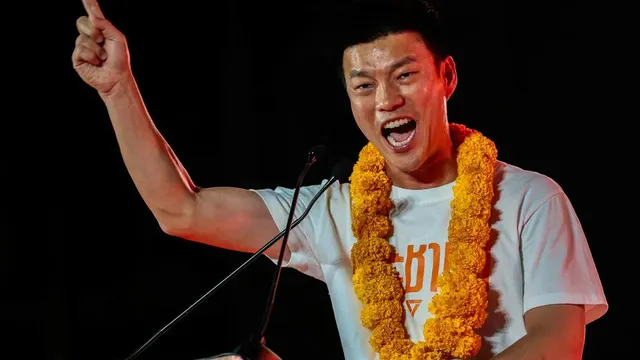
Natthaphong Ruengpanyawut dominates polls in Thailand's upcoming elections
Natthaphong Ruengpanyawut dominates polls in Thailand's upcoming elections
- The February 8 elections in Thailand are shaping up to be a three-way contest among major political parties.
- Natthaphong Ruengpanyawut leads in opinion polls, signaling challenges for Prime Minister Anutin Charnvirakul.
- The outcome of the elections may determine the future of constitutional reforms in the country.
Story
Thailand is approaching its general elections on February 8, 2026, which have developed into a competitive three-way race among prominent political parties. Natthaphong Ruengpanyawut, who leads the progressive People's Party, has emerged as the frontrunner according to multiple opinion polls conducted in late January. One particular survey conducted by Suan Dusit University indicated that Natthaphong received support from 35.1% of respondents, significantly ahead of his competitors. Anutin Charnvirakul, the leader of the conservative Bhumjaithai Party, lagged in third place with 16.1% backing, behind Yodchanan Wongsawat of the former ruling Pheu Thai Party, who garnered 21.5%. This election follows a turbulent period in Thai politics, marked by the 2023 elections where the People’s Party was initially denied the chance to form a government due to the obstruction from conservative lawmakers, ultimately leading to its dissolution by court order. Anutin called for a snap election in December after a chaotic parliamentary session. Observers note that there is significant pressure on him to secure the conservative vote and navigate coalition negotiations if he hopes to maintain power after the elections. Furthermore, the results of this election could substantially influence the ongoing discussions about constitutional reforms in Thailand. Voters will also have the opportunity to voice their opinions on a proposed referendum concerning a new Constitution that aims to replace the controversial 2017 military-backed charter. Critics argue that the current Constitution entrenches power within undemocratic institutions and diminishes civil liberties. The upcoming referendum will ask voters whether they approve the drafting of a new Constitution, allowing Parliament to begin the process if the majority votes in favor. Prior referendums were focused on drafts created post-military coups, which starkly contrasts with this initiative, eliciting considerable interest and debate among the populace. Support for constitutional change is broad, with various political parties, including Bhumjaithai and the opposition People’s Party, backing amendments while emphasizing the need to preserve key provisions concerning the monarchy. The opposition primarily stems from ultra-conservative factions, indicating a deeply divided political landscape. Ultimately, February’s elections and the possible constitutional reform following the referendum will serve as pivotal moments for Thailand’s democratic future.


