

Trump pushes AI-generated images attacking Obama and RINOs
Trump pushes AI-generated images attacking Obama and RINOs
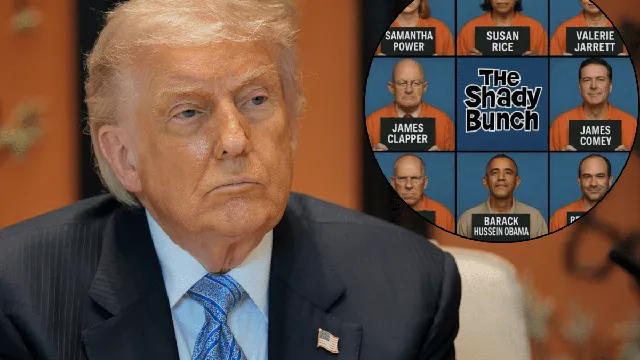
- Donald Trump shared AI-generated images of Barack Obama and himself on Truth Social.
- The posts received mixed reactions, with critics concerned about misinformation and supporters claiming it as satire.
- These actions continue to evoke strong political discourse around Trump's leadership and the ethical concerns of AI usage.
Story
In the United States, former President Donald Trump has been actively sharing AI-generated content on his social media platform, Truth Social. Recently, he posted an AI-generated image depicting Barack Obama in a simulated mugshot that attracted significant attention. The image showed Obama holding an arrest placard, alongside Trump's commentary criticizing the alleged 'weaponization' of justice against him and others. The post received approximately 25,000 likes and over 8,000 shares on the platform, demonstrating its controversial nature. Critics have expressed concern over Trump's use of AI-generated images, fearing that it spreads misinformation and blurs the distinction between reality and fiction, particularly in portraying a former president in a derogatory manner. Trump's supporters, however, argue that such posts are forms of political satire, reinforcing claims against the Obama administration regarding alleged misconduct. The mixed responses highlight a deepening divide in contemporary American political discussion. In another instance, Trump shared an AI-generated photo featuring him riding a rhinoceros while targeting 'RINOs'—an acronym for ‘Republican In Name Only.’ This image, which depicted Trump with a gun, was intended to convey a strong stance against Republicans who do not align with his views. Such postings align with Trump's overall narrative, which often attacks critics and promotes divisive themes within the Republican Party, invoking more engagement from his base amidst ongoing political tensions. The publication of these images coincides with Trump's remarks on foreign policy, particularly his defense of a potential peace deal with Iran, which faces scrutiny from various Republican factions. Trump's commentary and imagery appear to serve his pursuit of garnering support by framing himself as a resilient and steadfast leader against perceived adversaries, both within his party and the Democratic opposition. The fallout from these posts has reignited discourse about the implications of AI in political communication, raising questions about accountability and the ethical use of technology in shaping the public's perception of political figures.


