

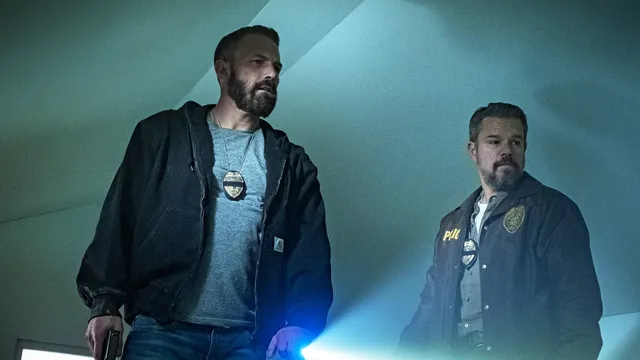
Police officers sue Ben Affleck and Matt Damon over fictional film portrayal
Police officers sue Ben Affleck and Matt Damon over fictional film portrayal
- Two Miami police officers have alleged harm to their reputations due to a film's portrayal.
- The lawsuit cites a real case where police discovered over $21 million linked to drug trafficking.
- The case raises questions about the boundaries of artistic representation in film.
Story
In Miami, two police officers from the Miami-Dade Sheriff’s Office, Jason Smith and Jonathan Santana, have filed a defamation lawsuit against Artists Equity, the film production company owned by Ben Affleck and Matt Damon. They allege that the recent action thriller, 'The Rip,' uses real-life details from a 2016 case involving millions of dollars linked to a suspected marijuana trafficker, which has harmed their personal and professional reputations. The lawsuit was submitted to federal court, seeking compensatory damages, punitive damages, attorney fees, and a public retraction. While the film features characters inspired by police officers, it asserts to be a fictional depiction and is not an accurate portrayal of real individuals. However, Smith and Santana claim that the inclusion of specific real details has created a false impression of their involvement in criminal activities depicted in the movie. The attorneys for Artists Equity maintain that the film has disclaimers stating it is not based on real events and emphasizes that the plaintiffs have not identified which character relates to them, thus undermining their defamation claim. In January, during promotional activities for 'The Rip,' Matt Damon mentioned that significant research was conducted with real narcotics officers in preparation for the film, describing the dynamics and dangers involved in their work. The lawsuit highlights the complex intersection between creative representation and the potential consequences of perceived harm to individuals depicted within fictional narratives. The outcome of this case may have broader implications for filmmakers, particularly around the portrayal of real-life incidents in narrative cinema. It could set a precedent regarding the limits of artistic license, the right to free speech in creative endeavors, and how far filmmakers must go to avoid legal repercussions stemming from their works.


