

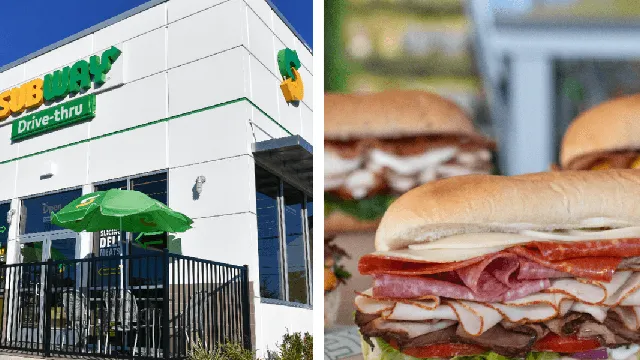
Fake Subway subscription sparks viral frenzy online
Fake Subway subscription sparks viral frenzy online
- A viral tweet sparked excitement about a fake Subway subscription for unlimited footlongs.
- Many users believed the claim without verifying its authenticity, leading to widespread enthusiasm.
- The reality is that Subway actually launched a creative competition for a sandwich-inspired jewelry piece instead.
Story
In an unexpected turn of events, fans in the United States recently erupted over a supposed subscription service for unlimited footlong sandwiches from Subway. This excitement was ignited by a viral tweet that garnered 12 million views, featuring comments from various eager individuals who expressed their plans to visit Subway immediately. However, the happiness was short-lived as the reality behind the post came to light. The tweet originated from Hoops Crave, a parody account notorious for sharing satirical content and fake news. Many users failed to verify the authenticity of the information before getting overly enthusiastic. The situation raised eyebrows, leading to public misinterpretations cautioning readers about information shared on social media. This overzealousness prompted platforms such as X's Community Notes to intervene and clarify. They pointed out that the account's bio explicitly contains a disclaimer, warning users that it is in no way affiliated with Pop Crave, and it’s dedicated to parody content. Thus, it was important for users to fact-check claims before getting swept up in the excitement. In a twist to mark Valentine's Day, Subway opted to launch a creative marketing campaign instead of the anticipated subscription service. Instead of offering a subscription, they introduced a competition to win a unique sandwich-inspired jewelry piece known as the Baguette Ring, designed to represent the Classic BMT sandwich. The Baguette Ring includes layers of gemstones symbolizing popular sandwich toppings, meats, and sauces. This development is an effort by the chain to stand apart in a competitive fast-food industry, especially amid ongoing challenges, including inflation. The contrasting reactions and the switch from a subscription to a quirky marketing competition highlight the impact of social media on consumer behavior and the importance of factual information. Strategies employed by brands like Subway underscore how they are attempting to engage with questioning customers while simultaneously promoting their product offerings through unconventional means.
Context
Social media has transformed consumer behavior in profound ways, serving as a pivotal platform for influencing purchasing decisions and shaping brand perceptions. With billions of users worldwide, platforms such as Facebook, Instagram, Twitter, and TikTok provide unprecedented access to a vast audience, where engagement occurs in real-time. As consumers increasingly turn to these platforms for information and inspiration, the psychological and social dynamics of their interactions with brands have significantly evolved. Peer recommendations, influencer endorsements, and social proof become powerful drivers of consumer trust and brand loyalty, often outweighing traditional advertising methods. One of the key ways social media influences consumer behavior is through the formation of virtual communities and networks. These communities enable users to share experiences, reviews, and opinions regarding products or services, greatly impacting each other’s purchasing decisions. For instance, user-generated content allows consumers to perceive authentic and relatable endorsements that resonate more strongly than polished advertisements. Moreover, the instant nature of social media enables brands to engage with consumers directly, fostering a sense of personal connection and loyalty. This interaction builds brand advocates who actively promote products within their networks, amplifying word-of-mouth marketing. Another important aspect of social media's influence on consumer behavior is the phenomenon of influencer marketing. As consumers seek advice from trusted individuals, influencers emerge as key figures in shaping brand perceptions. Collaboration with influencers can provide brands with a credible voice, tailored messaging, and targeted reach that traditional media struggles to achieve. The visibility and relatability of influencers create a strong perceived trustworthiness, making consumers more likely to act upon their recommendations. This has led brands to allocate significant portions of their marketing budgets towards influencer partnerships, underscoring the integral role of social media in modern marketing strategies. However, the influence of social media is not without challenges. Brands must navigate the complexities of maintaining authenticity and credibility in their communications. Consumers today are increasingly discerning and can readily identify disingenuous or over-commercialized content. Transparency and ethical marketing practices are crucial in fostering long-term relationships with consumers who value honesty and alignment with their personal values. The rise of consumer awareness around issues such as data privacy and fake reviews also poses potential risks that brands must address. As social media continues to evolve, its impact on consumer behavior will likely deepen, compelling brands to adapt and innovate in their engagement strategies.


