

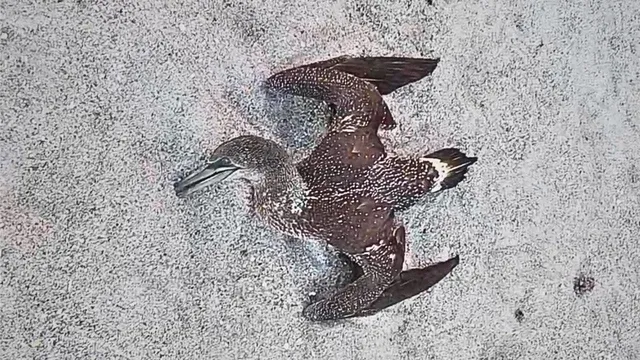
Dozen iconic swans die at Lake Eola amid bird flu fears
Dozen iconic swans die at Lake Eola amid bird flu fears
- Six swans died recently at Lake Eola in Orlando due to suspected bird flu.
- City Commissioner Patty Sheehan indicated that the deaths appear non-suspicious.
- Veterinarians are conducting necropsies to determine the cause of death.
Story
In downtown Orlando, Florida, the recent deaths of iconic swans at Lake Eola have raised concerns about a possible bird flu outbreak. A dozen swans have died from an unknown cause, leading local authorities to suspect avian influenza might be responsible for these deaths. Prior to this incident, there were about sixty swans residing in the park, a beloved site over the past century. The last recorded bird flu outbreak in the area occurred in February 2024. Due to the unfortunate timing during the holiday season, city specialized veterinarians were not available for an immediate evaluation of the dead birds. As a precaution, the deceased swans have been stored securely for necropsies to determine their cause of death. Orlando City Commissioner Patty Sheehan confirmed that the deaths do not appear suspicious, but without proper testing, certainty cannot be established regarding the cause. The iconic swans of Lake Eola are more than just wildlife; they are symbols of Orlando, featuring prominently in city murals and tourists' experiences, such as renting swan-shaped pedal boats at the park. These deaths not only alarm the wildlife community but also concern those who cherish and value the city’s natural and cultural heritage. The absence of these swans diminishes a unique element of downtown Orlando's charm, emphasizing the need for prompt action as health officials work to assess the situation. Many local residents and visitors have taken to social media to express their sadness and concern regarding the health of the swan population. As work progresses on understanding this situation, it highlights the delicate balance between human activity and wildlife preservation. Understanding the potential implications of a widespread bird flu outbreak will be crucial for city officials as they navigate communication with the public and undertake immediate action to protect remaining wildlife. With further testing and examination of the situation, a much clearer picture can emerge concerning the health and safety of both the swans and the community's connection to them.
Context
market analysis data geopolitical data economic analysis market market analysis impact data economic insight analysis economic shift shift strategic market analysis policy insight market economic data market strategic policy data strategic analysis strategic global analysis insight data policy economic trends strategic market strategic shift policy strategic global data market policy economic market strategic economic market market market global impact geopolitical global strategic analysis geopolitical geopolitical geopolitical trends impact policy policy market global shift economic impact market strategic market impact geopolitical...


