CDC study reveals invasive mold infections are deadlier than previously thought
science
tragic
impactful

CDC study reveals invasive mold infections are deadlier than previously thought

10
(Update: )
development finance institution owned by the UK government
  • A CDC study identified about 450 cases of invasive mold infections in Atlanta-area hospitals over five years.
  • Approximately one-third of the patients with these infections died in the hospital.
  • The findings highlight the increasing threat of mold infections, especially with climate change and an aging population.
Share opinion
1

Story

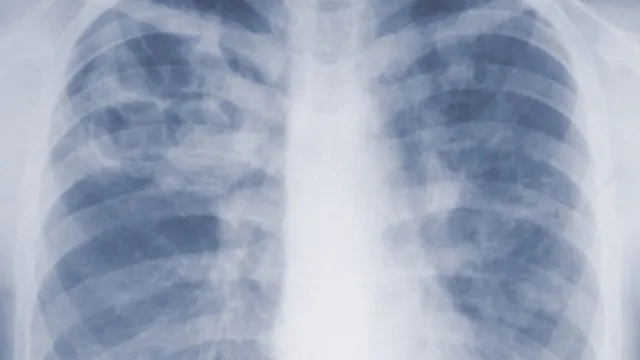
In the United States, a groundbreaking study conducted by the Centers for Disease Control and Prevention (CDC) has revealed alarming statistics regarding invasive mold infections. Over a five-year period, researchers identified approximately 450 cases in hospitals around Atlanta, with about one-third of those patients succumbing to their infections. This study, which is the first of its kind, aims to provide a clearer understanding of the prevalence of these infections, especially as climate change exacerbates conditions that lead to mold growth. The findings were published recently, highlighting the urgent need for awareness and preventive measures. The research team collaborated with four hospitals and their outpatient clinics in the Atlanta area, focusing on potential cases from 2020 to 2024. Initially, nearly 1,000 cases were identified, but after careful evaluation, the number was narrowed down to around 450 confirmed cases of invasive mold disease. The study's senior author, Dr. Jeremy Gold, emphasized the importance of these findings, noting that the government does not mandate reporting of such illnesses, making it difficult to gauge their true prevalence. Invasive mold diseases are rare but can be life-threatening, particularly for vulnerable populations such as the elderly, cancer patients, and individuals with weakened immune systems. Most infections occur when mold spores are inhaled, but they can also enter the body through cuts or contaminated medical equipment. The study indicates that hospitals can expect to see 3 to 5 cases of invasive mold disease annually for every 100 inpatient beds, a statistic that could help hospital administrators assess whether they are experiencing an outbreak or if their case numbers are within expected ranges. As climate change continues to influence natural disasters like hurricanes and floods, the frequency of mold exposure is likely to increase. Dr. Jeffrey Jenks, an infectious disease researcher at Duke University, supports this view, stating that the incidence of fungal infections is expected to rise. Additionally, the growing population of older adults, who are more susceptible to such infections, further complicates the situation. The study's findings underscore the need for further research in different regions of the United States to better understand the scope of this public health issue.

Context

Climate change is increasingly recognized as a significant factor influencing various ecological processes, including mold growth. As global temperatures rise, the conditions that favor mold proliferation are becoming more prevalent. Warmer temperatures can enhance the metabolic rates of mold spores, leading to faster growth and reproduction. Additionally, increased humidity levels, often a consequence of climate change, create an ideal environment for mold development. This combination of warmer temperatures and higher humidity not only supports the growth of existing mold species but also allows for the introduction and establishment of new species that may not have thrived in previous climatic conditions. The impact of climate change on mold growth is particularly concerning in urban areas where buildings are often poorly ventilated and moisture can accumulate. As rainfall patterns shift and extreme weather events become more frequent, the risk of water damage in homes and buildings increases. This water damage can lead to mold infestations, which pose health risks to occupants, including respiratory issues and allergic reactions. Furthermore, the economic implications of mold growth are significant, as remediation efforts can be costly and time-consuming, often requiring professional intervention to ensure that the mold is completely removed and does not return. In agricultural settings, the effects of climate change on mold growth can have dire consequences for crop yields and food security. Warmer temperatures and increased humidity can lead to the proliferation of mold species that affect crops, resulting in reduced quality and quantity of produce. This not only impacts farmers' livelihoods but also poses risks to food safety, as certain molds produce mycotoxins that can be harmful to human health. As such, understanding the relationship between climate change and mold growth is crucial for developing effective strategies to mitigate these risks in both urban and agricultural contexts. To address the challenges posed by climate change on mold growth, it is essential to implement adaptive management strategies. This includes improving building designs to enhance ventilation and reduce moisture accumulation, as well as developing agricultural practices that minimize the risk of mold infestations. Additionally, public awareness campaigns can educate individuals and communities about the risks associated with mold and the importance of maintaining dry environments. By taking proactive measures, we can better manage the impacts of climate change on mold growth and protect both public health and economic stability.