

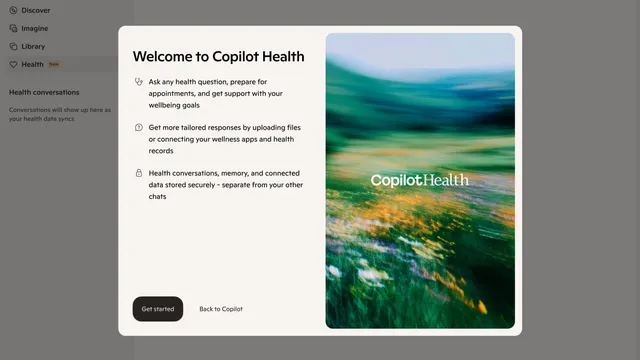
AI empowers consumers with medical super intelligence
AI empowers consumers with medical super intelligence
- Health tech advancements were discussed at the HIMSS conference in recent months.
- Executives, including Mustafa Suleyman from Microsoft AI, emphasized innovations like large language models.
- The integration of AI into healthcare aims to enhance patient access to their medical data.
Story
In recent months, the health tech conference held by HIMSS focused on the rise of artificial intelligence in healthcare, where executives from leading firms discussed the breakthrough potential of large language models (LLMs). Mustafa Suleyman, the CEO of Microsoft AI, highlighted that these LLMs are now effectively working for consumers, suggesting that soon, medical super intelligence will be universally accessible. This transformative shift has sparked discussions around interoperability and data access, revealing that significant blind spots still exist in health data management. Industry leaders affirm that while protecting privacy is crucial, patient access to their healthcare data must also be prioritized. The ongoing advancements in electronic health records (EHR) indicate an expanding incorporation of AI capabilities, fostering a future where health data is not only digitized but also utilized in ways that enhance patients’ control over their health information. The push for innovation in healthcare data management is supported by both corporate entities and government initiatives, which are striving for a shared vision of accessible and comprehensive medical information for all stakeholders involved. Furthermore, the acknowledgment of the federal government's role in combating information blocking is being seen as a pivotal moment in the timeline of healthcare technology initiatives.
Context
The impact of artificial intelligence (AI) in healthcare has been profound and transformative, leading to significant advancements in patient care, operational efficiency, and clinical research. AI technologies are increasingly being leveraged to enhance diagnostic accuracy, personalize treatment plans, and anticipate patient needs. By analyzing vast sets of data from electronic health records, medical imaging, and genomic information, AI algorithms can identify patterns that may not be immediately evident to healthcare professionals. This capability has led to improved early detection of diseases, such as cancer and cardiovascular conditions, ultimately resulting in better patient outcomes and more proactive healthcare management. In addition to diagnostics, AI is playing a pivotal role in streamlining administrative processes within healthcare organizations. By automating routine tasks such as appointment scheduling, billing, and claims processing, AI reduces the administrative burden on healthcare providers, enabling them to focus more on patient care. The integration of AI in telemedicine has further expanded access to healthcare services, particularly in underserved areas. Virtual health assistants powered by AI can provide patients with timely medical advice, help manage chronic diseases, and facilitate communication between patients and healthcare professionals, thus enhancing patient engagement. Moreover, AI is transforming clinical research by accelerating drug discovery and development processes. Machine learning models can predict how different compounds will interact with biological systems, enabling researchers to identify promising candidates more efficiently. This not only shortens the timeline for bringing new treatments to market but also reduces costs associated with clinical trials. Additionally, AI-driven analytics can identify trends and insights from research data, helping to inform evidence-based practices and public health strategies. Despite the many advantages of AI in healthcare, challenges remain that must be addressed to fully realize its potential. Concerns regarding data privacy, algorithmic bias, and the need for rigorous regulatory frameworks are paramount. Ensuring that AI systems are transparent, fair, and accountable is crucial for maintaining the trust of patients and healthcare providers alike. As technology continues to evolve, ongoing collaboration between AI developers, healthcare professionals, and policymakers will be essential to navigate these challenges and harness the full power of AI in improving healthcare outcomes on a global scale.


