
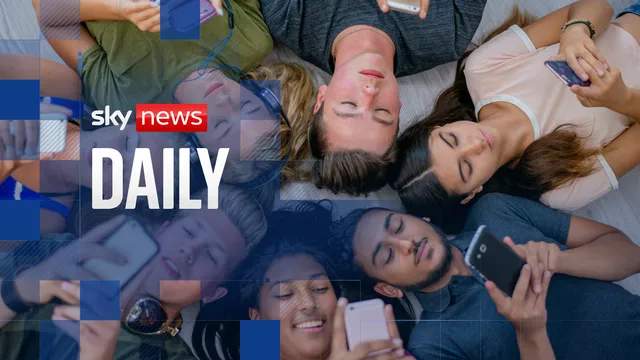
House of Lords backs social media ban for under-16s in the UK
- The House of Lords has voted in favor of a social media ban for under-16s as part of the Children's Wellbeing and Schools Bill.
- Concerns have been raised about the effectiveness and enforcement challenges of such a ban, with some arguing it fails to address deeper issues.
- The government is urged to adopt a more comprehensive strategy to help young people safely navigate digital spaces instead of imposing strict age restrictions.
Story
In January 2026, the UK House of Lords took a significant step towards restricting social media access for individuals under 16 years old by voting in favor of a ban. This decision came amid ongoing concerns about the impact of social media on children's mental health and well-being. The proposed ban is seen as a response to increasing political pressure and public sentiment, which has shown a majority of support for such measures. However, the government intends to conduct a consultation before the ban is implemented, reflecting a cautious approach as they navigate the complex interplay of digital safety and access to online communities. The discussion around this ban has been shaped by various factors, including recent trends observed in Australia, where similar regulations have been enacted. The Australian government's experience has demonstrated mixed results, leading to concerns that such a ban may inadvertently push children towards unregulated online platforms or pose a 'cliff edge' effect when they turn 16. Critics including Labour peer Harriet Harman have raised issues about the practicality and coherence of such a ban, arguing that a prohibition does not address the underlying problems of online harms. Experts emphasize the need for a comprehensive approach that includes better education on social media use and clearer regulations on platforms instead of relying solely on age-based restrictions. The conversation around the effectiveness of a ban continues, urging the government to consider alternative methods to support children and parents in navigating the complexities of digital life. The outcomes of this legislative effort could have lasting implications for how young people engage with digital spaces and for the regulatory framework governing online conduct. As the bill progresses through Parliament, it will require approval from the House of Commons to become law. This ongoing debate highlights the balancing act the government faces in addressing public concerns about youth safety online while ensuring that young people retain access to vital social networks essential for their growth and self-expression.
Context
The impact of social media ban on teenagers is a topic of significant relevance in today’s digital landscape. Social media platforms such as Instagram, TikTok, and Snapchat play a critical role in the socialization and daily lives of teenagers, serving as important outlets for self-expression and community building. However, recent discussions have centered around the ramifications of temporarily banning or limiting access to these platforms, particularly given concerns regarding mental health, cyberbullying, and the overall well-being of adolescents. These bans could lead to profound changes in how teenagers interact socially, develop their identities, and process their experiences in a highly digital world. One considerable effect of a social media ban is the potential for increased feelings of isolation among teenagers. Many young individuals rely on social media to connect with peers, form relationships, and share experiences, which can be particularly important during formative years. In the absence of these platforms, teens may struggle to find alternative forms of social engagement, leading to increased loneliness and anxiety. Furthermore, the prohibition on social media could also hinder critical support networks—essential for adolescents dealing with various personal issues or mental health concerns. On the other hand, it may provide the opportunity to engage in more face-to-face interactions, potentially fostering deeper relationships and a greater sense of community. Additionally, while a social media ban may alleviate some concerns related to cyberbullying and online harassment, it does not eliminate these issues altogether. Bullying in traditional forms might still occur, and the underlying problems that lead to such behaviors may persist. The ban could inadvertently lead to other means of harassment, or the development of underground online spaces where negative behaviors might continue undeterred, revealing the complexity of addressing bullying in a multifaceted digital age. Moreover, removing the platforms where such behaviors often take place does not address the underlying cultural and social dynamics that foster them. Lastly, it is essential to consider the educational implications of social media bans. Social platforms have become vital for information dissemination, learning opportunities, and fostering creativity among teenagers. A complete ban may obstruct access to numerous educational resources available online and could limit teens' ability to engage with civic activities or stay informed about current events. Consequently, while there may be short-term gains in terms of mental health and well-being, the broader implications of limiting social media access warrant careful consideration, necessitating a balanced approach that includes educational strategies and mental health support to promote a healthy online environment.
