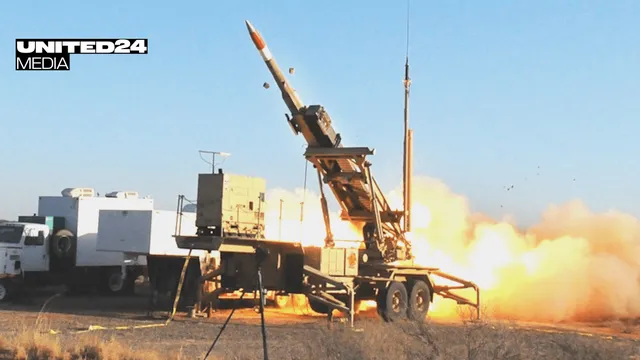
Ukraine is preparing to receive a new shipment of Patriot PAC-3 interceptor missiles, as announced by President Volodymyr Zelenskyy during an interview at the NATO summit in Ankara on July 8, 2026. While the arrival of these interceptors is a positive development, Zelenskyy emphasized that the quantity is inadequate to meet the demands posed by ongoing Russian aerial assaults. He noted that Russia is launching approximately twice as many missiles as Ukraine is able to receive through the current supply program, which is financed by European and other partner nations under the PURL initiative.
Zelenskyy explained that the existing arrangements are not sufficient, prompting Ukraine to seek additional, unofficial agreements with partner countries to bolster its air defense capabilities. He mentioned that these alternative packages involve negotiating for smaller quantities of missiles from various nations, which he described as a necessary measure for Ukraine's survival amidst the conflict. The president highlighted the urgency of expanding access to the Patriot PAC-3 interceptors as a critical step in enhancing Ukraine's defense against ballistic missile threats.
In addition to the immediate need for interceptors, Zelenskyy discussed the importance of developing an alternative to the PAC-3 system. He expressed optimism about gathering countries that are part of the anti-ballistic coalition to collaborate on producing components for a future anti-ballistic system named Freya. This initiative aims to create a more sustainable and effective defense mechanism for Ukraine, reducing reliance on external supplies and addressing the ongoing missile threat from Russia.
The context of these developments is rooted in the ongoing conflict between Ukraine and Russia, which has seen a significant escalation in missile attacks. The need for advanced air defense systems has become increasingly critical as Ukraine faces a relentless barrage of aerial assaults. The discussions surrounding licensed production of Patriot missiles in Ukraine, as mentioned by US President Donald Trump, further illustrate the urgency of establishing domestic manufacturing capabilities to alleviate shortages and enhance Ukraine's defense posture against Russian aggression.