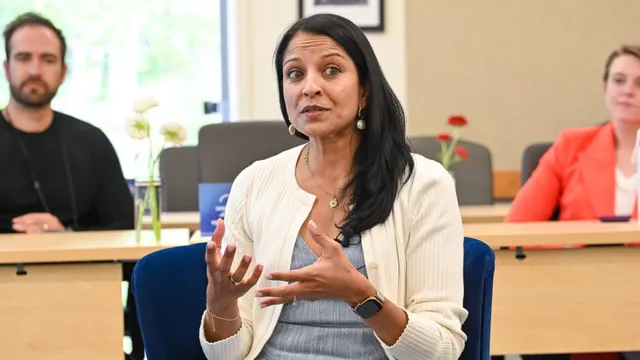
In recent discussions at Fortune's Brainstorm Tech event in Aspen, experts highlighted the challenges faced by individuals in utilizing the vast amounts of data generated by wearable health devices. Despite having access to real-time health information, many users struggle to translate this data into actionable insights. Nele Jessel, Chief Medical Officer at athenahealth, emphasized that the initial step towards better health decisions is transforming raw data into meaningful knowledge. However, the transition from awareness to action remains a significant hurdle, as many consumer health tools fail to motivate users to change their behaviors.
Crady Weiss pointed out that the competition for users' attention is not just other health apps but also popular entertainment platforms like Netflix and TikTok, which often distract individuals from prioritizing their health. This indicates a deeper issue where the habits and routines of users play a crucial role in their health management. The experts agreed that simply providing more data through additional sensors is not the solution; instead, there needs to be a focus on engaging users and making them excited about taking care of their health.
The conversation also touched on the biases surrounding health awareness, with Shah arguing that the assumption that patients do not care about their health is unfounded. She stated that the real issue lies in providing individuals with the necessary tools and knowledge to make informed decisions about their health. This includes recognizing that health recommendations must be tailored to fit individual lifestyles, as a one-size-fits-all approach is ineffective.
Furthermore, Othman Laraki from Color Health highlighted the barriers that prevent individuals from acting on their health insights, such as affordability and access to care. He noted that merely distributing wearables will not address these systemic issues. The discussion concluded with a call for a more personalized approach to health management, one that empowers individuals to take charge of their health in a way that fits their unique circumstances.