

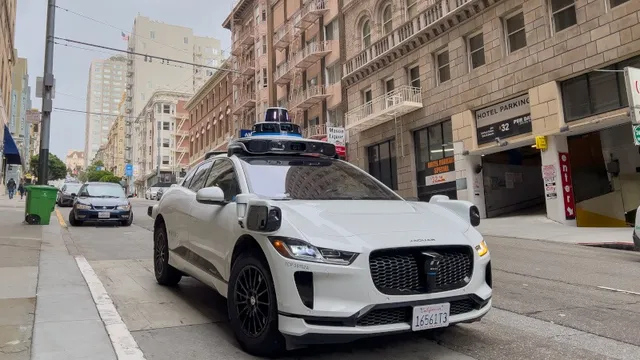
Waymo's robotaxis recalled due to software concerns
Waymo's robotaxis recalled due to software concerns
- Waymo's voluntary recall of nearly 3,800 robotaxis was initiated due to a software issue that risked driving onto flooded roads.
- An incident in San Antonio, Texas, on April 20, 2026, highlighted the software's flaws when a vehicle entered a flooded area.
- This situation has led to significant operational suspensions and ongoing software improvements by the company.
Story
In the United States, Waymo has announced a voluntary recall of approximately 3,800 of its robotaxis following a software glitch that poses a risk of the vehicles driving into flooded conditions. The issue was identified after an incident that occurred on April 20, 2026, when an empty Waymo vehicle entered a flooded roadway in San Antonio, Texas, and was swept into a creek. This incident prompted the company to temporarily suspend its operations in San Antonio to evaluate the software responsible for the dangerous behavior. The North Texas incident led to heightened regulatory scrutiny and Waymo's decision to file a recall notice with the National Highway Traffic Safety Administration (NHTSA) on May 1, 2026. The software is designed to control the vehicle's automated driving systems, and it malfunctioned, allowing cars to slow down and drive into standing water on higher-speed roadways. Waymo has since made interim updates to the vehicles, implementing weather-related constraints and modifying vehicle maps to avoid similar situations in the future. Waymo stated that they are actively working on additional software safeguards and revisions to mitigate extreme weather risks affecting vehicle operations. This recall follows a significant power outage disruption experienced in December 2025 in San Francisco, where Waymo's taxis became non-operational, causing considerable traffic disruptions. Furthermore, the company has faced past criticisms regarding other operational challenges including failing to yield to school buses, raising concerns about the safety of their autonomous vehicles. As a proactive measure, Waymo has communicated with the public and intends to resume full robotaxi services once the necessary software fixes are established. Meanwhile, parent company Alphabet has reportedly raised $16 billion in funding, indicating continued investor confidence despite these operational challenges. Looking to the future, Waymo is planning to extend its robotaxi services internationally, with aspirations for launching operations in London by September 2026, thus making significant efforts to improve the safety and functionality of its autonomous vehicles.
Context
As of May 2026, the landscape of autonomous vehicle regulations is rapidly evolving, reflecting advances in technology and the increasing presence of self-driving cars on public roads. Regulatory bodies across the globe are grappling with the challenges posed by integrating autonomous vehicles into existing infrastructure and ensuring the safety of the public. In the United States, the National Highway Traffic Safety Administration (NHTSA) has been at the forefront of these efforts, issuing guidelines that seek to establish a framework for the testing and deployment of autonomous vehicles. These guidelines are designed to maintain safety while encouraging innovation within the automotive industry. Various states have adopted their own regulations, resulting in a patchwork of laws that can complicate the uniform adoption of technology, especially as companies aim to conduct testing in multiple jurisdictions. Meanwhile, in Europe, the European Commission is working toward establishing a harmonized approach to autonomous vehicle regulations. This includes the development of a comprehensive legal framework for the safety and liability of autonomous systems. The European Union aims to achieve a significant level of standardization among member states, which is vital for cross-border travel and commerce. The emphasis is not solely on vehicle technology but also on the ethical considerations surrounding autonomous driving, such as decision-making algorithms in accident scenarios and the impact of these vehicles on employment in the transport sector. Regulatory discussions continue to be informed by public opinion, which remains mixed regarding the acceptance of autonomous vehicles. In Asia, countries like Japan and China are advancing their own regulatory landscapes to keep pace with the aggressive development of autonomous technologies. Japan’s initiative, driven by the need to address an aging population and declining workforce, emphasizes the integration of safe autonomous vehicles to enhance mobility. The country has showcased its commitment by establishing testing zones and hosting trials that involve a mix of both traditional and autonomous vehicles. Conversely, China has made significant investments in smart city initiatives that include autonomous vehicles as integral components of urban transport systems. Regulatory frameworks in China are evolving quickly, often in alignment with government policy on technology and innovation, focusing on both public safety and economic growth. The ongoing dialogue among policymakers, industry stakeholders, and the public is critical for shaping the future of autonomous vehicle regulations. As technology continues to advance, regulators are encouraged to remain adaptable while embedding safety protocols that ensure public trust. Additionally, international cooperation and knowledge sharing may prove essential in addressing the multifaceted issues surrounding the global deployment of autonomous vehicles. Progress in this area will likely require an ongoing commitment to transparency, robust testing, and the development of standards that are not only technically sound but also ethically responsible. The future of autonomous vehicles hinges on the delicate balance between fostering innovation and safeguarding public safety and interests.


