
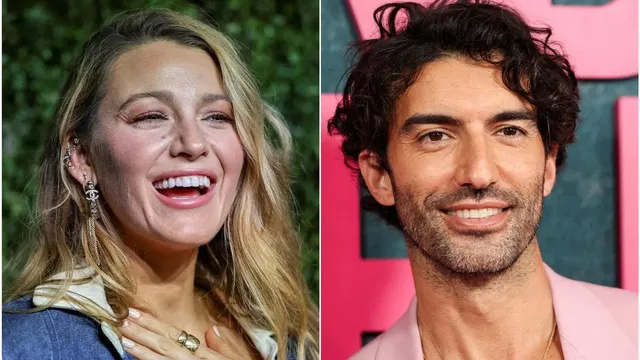
Blake Lively accuses Justin Baldoni of sexual harassment
- Blake Lively's lawsuit against Justin Baldoni includes serious allegations of sexual harassment and retaliation.
- The case highlights significant concerns regarding the treatment of women in Hollywood.
- A trial is scheduled for May 18, 2026, as both parties prepare for the court proceedings.
Story
In December 2024, Blake Lively filed a lawsuit against her co-star and director Justin Baldoni, alleging sexual harassment and retaliation during the production of their film 'It Ends With Us'. The lawsuit was initiated after Lively expressed concerns about a toxic work environment created by Baldoni, which she claimed included inappropriate behavior on set. The situation escalated as Lively accused Baldoni of waging a smear campaign against her following her complaints. The ensuing legal battle has since captivated the entertainment industry, involving public figures such as Lively's husband Ryan Reynolds and close friend Taylor Swift, who have voiced support for her amidst the allegations. A federal judge is currently considering whether the case will proceed to trial, with Lively set to be the key witness. The legal discussions have brought attention to larger issues of workplace harassment and discrimination faced by women in the entertainment industry. As Lively seeks unspecified damages for her claims, Baldoni has denied the allegations and sought to dismiss Lively's lawsuit, arguing that her complaints are trivial. The trial date has been set for May 18, compounded by rising public interest as new details emerge from the ongoing case.
Context
Workplace harassment in the film industry is an increasingly critical issue that has garnered significant attention in recent years. The issue encompasses various forms of misconduct, including sexual harassment, bullying, and discrimination, which can occur on and off set. Multiple high-profile cases have emerged, revealing a culture of silence and complicity that has historically enabled such behavior. This has led to a growing recognition of the need for systemic changes within the industry to ensure a safer and more respectful environment for all individuals involved in film production. Statistical data show that workers in the film industry, particularly women and minorities, have disproportionately faced harassment. These statistics highlight a disconcerting trend where individuals who speak out against their harassers often face backlash, including damage to their careers and reputations. Initiatives like the #MeToo movement have played a crucial role in breaking the silence surrounding these issues, empowering victims to come forward while also pressuring industry leaders to take responsibility for creating a healthier work culture. Organizations and advocacy groups within the film industry have begun to implement comprehensive policies aimed at preventing harassment. This includes training programs that educate individuals about appropriate workplace behavior, establishing clear reporting mechanisms for incidents of harassment, and enforcing strict consequences for offenders. Moreover, some production companies are adopting diverse hiring practices to ensure that marginalized voices are represented, thereby fostering an inclusive atmosphere that discourages harassment. In conclusion, addressing workplace harassment in the film industry requires a concerted effort from all stakeholders, including employers, employees, and industry organizations. By prioritizing systemic change and promoting accountability, the industry can create a safer environment where creativity and collaboration can flourish without the shadow of harassment. Moving forward, continuous dialogue and vigilance will be essential to ensure that progress is made and that the industry evolves into a more equitable space for all.
