

Drone sighting causes flight chaos at Heathrow airport
Drone sighting causes flight chaos at Heathrow airport
- Heathrow airport experienced flight disruptions due to a reported drone sighting today.
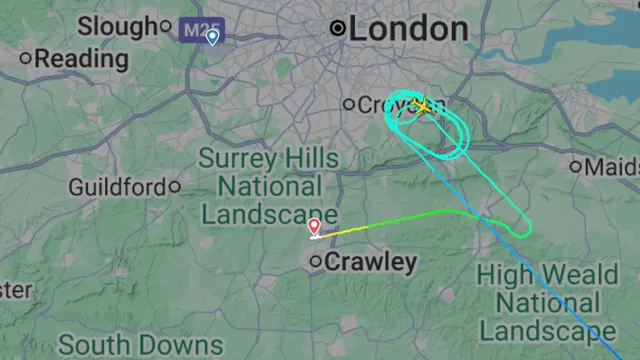
- At least one incoming flight from Swiss diverted to Gatwick after a delay.
- Authorities are monitoring the situation and working to ensure the airport remains safe.
Story
On January 16, 2026, flights at Heathrow airport, Europe's busiest airport located in the United Kingdom, faced significant disruptions due to an apparent drone sighting. This incident involved at least one incoming flight, specifically flight LX324 operated by Swiss International Air Lines, which diverted to Gatwick Airport after a delay of nearly thirty minutes. The situation led to various outbound flights being delayed as well, according to reports shared by passengers on social media platforms. Notably, a user named Josh expressed his frustration on X (formerly Twitter), recounting his experience of being diverted to Gatwick due to a person's decision to operate a drone near Heathrow airport. A spokesperson for Heathrow has indicated that while the flights experienced a temporary pause in operations to address the suspected drone sighting, they are continuing as normal. The spokesperson assured that the airport authorities are collaborating with police and airline partners to maintain safety and monitor the situation closely. This incident at Heathrow is not isolated; in recent months, similar occurrences of suspected drone activity have impacted flight operations at several European airports, including those in Vilnius and Brussels, underscoring an ongoing concern about unauthorized drone usage in critical airspace. The incidents reflect a troubling pattern of disruptions that can arise from drone operations, posing serious challenges for air traffic control and airport safety management. Passengers have expressed their concerns and frustrations through various channels, highlighting the negative implications that such disruptions have on travel plans and overall airport operations. The frequency of these types of incidents raises questions about regulatory measures in place to deal with the rise of drone technologies and their safe usage in proximity to busy airports. As authorities continue to investigate this recent incident at Heathrow, the broader conversation surrounding drone safety and airspace regulations is becoming ever more relevant. With the aviation industry recovering from pandemic-related setbacks, ensuring smooth and uninterrupted airport operations is critical. The regulatory bodies must quickly adapt and implement more stringent measures to protect air traffic from unauthorized drone activities, ensuring passenger safety and minimizing disruptions that could affect travel plans both domestically and internationally.
Context
The impact of drone sightings on air traffic has been increasingly scrutinized in recent years, especially as the use of drones has surged. Drones, or unmanned aerial vehicles (UAVs), have become more prevalent in various sectors such as delivery services, agriculture, and aerial photography. However, their rise poses multiple challenges to air traffic safety and efficiency. Reports have highlighted instances where drones have come into close proximity with commercial aircraft, leading to significant safety concerns and prompting calls for regulatory action to mitigate these risks. As drones occupy the same airspace as manned planes, the potential for mid-air collisions and disruptions to flight operations is a critical issue for aviation authorities worldwide. Air traffic management systems must adapt to ensure the safety and efficiency of both manned and unmanned flights. The Federal Aviation Administration (FAA) and other similar organizations around the globe are working to develop guidelines and frameworks for integrating drones into the national airspace system. This includes implementing technologies such as Remote Identification (RID) to help visualize drone operations and ensure accountability for drone operators. Enhanced communication protocols and tracking systems are also being investigated to improve coordination between drone operators and air traffic control, which is essential for the safe cohabitation of unmanned and manned aircraft. Moreover, the economic implications of drone sightings on air traffic cannot be overlooked. Each report of a drone sighting can lead to flight delays, diversions, and increased operational costs for airlines. The response time necessary for authorities to assess and mitigate the risks posed by drone activity can affect overall air traffic flow and efficiency. According to recent studies, disruptions caused by drones have led to an uptick in operational challenges for airlines, highlighting the need for a comprehensive strategy that addresses these economic repercussions while prioritizing safety. In conclusion, addressing the impact of drone sightings on air traffic is paramount for ensuring the future safety and efficiency of flight operations. It requires a coordinated approach from regulatory bodies, airlines, and drone operators alike. As drone technology continues to evolve, it will be essential to develop robust policies, technologies, and practices that facilitate safe drone integration into the airspace. The ongoing discourse surrounding drone activities emphasizes the importance of vigilance and proactive measures to safeguard aviation safety and operational integrity.


