

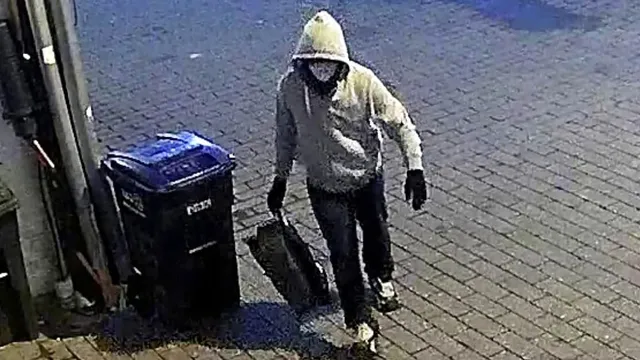
Brian Cole confesses to planting pipe bombs near party headquarters
Brian Cole confesses to planting pipe bombs near party headquarters
- Brian Cole Jr. confessed to planting pipe bombs near the DNC and RNC headquarters in Washington, D.C.
- His motive stemmed from dissatisfaction with the political parties and the 2020 election results.
- Cole faces serious charges for his actions, which represent a significant threat to political and public safety.
Story
In the United States, a significant incident occurred on January 5, 2021, when Brian J. Cole Jr. was accused of planting two pipe bombs outside the headquarters of the Democratic National Committee (DNC) and the Republican National Committee (RNC). Cole later confessed to federal agents that he felt compelled to take violent action against both political parties, believing they were responsible for the perceived tampering with the 2020 presidential election results. He claimed his actions were meant to make a statement about the political climate and to 'speak up' for those who believed their votes were being ignored. Following his arrest in December 2024, Cole recounted his reasoning behind the bombing attempts, stating that 'something just snapped' after watching what he described as the continuous worsening of the political situation in the country post-election. Although he initially denied involvement, he eventually admitted to the premeditated nature of the bombings, explaining that he set timers on the devices and expressed relief when they failed to detonate, as he had no intention of harming anyone. Cole's motives were further illuminated during an interview with the Federal Bureau of Investigation, where he expressed deep dissatisfaction with both major political parties. He noted that he targeted their headquarters because they were 'in charge' and thus believed they deserved to face consequences for their actions leading up to the election. Additionally, he alluded to his interest in historical conflicts, specifically the Troubles in Northern Ireland, which influenced his choice of explosive devices for the act. The homemade bombs were discovered on January 6, 2021, the same day that rioters attempted to disrupt the certification of Joe Biden's election win at the Capitol. Although no one was injured due to the malfunctioning explosives, Cole faced serious federal charges for transporting explosives across state lines and attempting to maliciously destroy property. Prosecutors argue that his actions represent a threat not only to political figures but also to the general public. Cole's case has now highlighted a concerning trend of political violence stemming from feelings of disenchantment within the electorate, prompting discussions regarding security and safety in political environments. As the case unfolds, authorities continue to emphasize the need for vigilance and response to political extremism in its various forms.
Context
The report titled "Political Violence in America 2021" examines the alarming rise of political violence in the United States during the year 2021. This period was marked by significant events that showcased heightened tensions among various political factions, particularly in the wake of the 2020 presidential election and the subsequent Capitol riot on January 6, 2021. The report highlights how political affiliations increasingly influenced individuals' willingness to engage in, support, or justify violent acts as a means of expressing dissent or achieving political objectives. The events not only revealed deep fractures within American society but also raised concerns about the implications for democracy and societal cohesion. The Capitol riot stands out as a pivotal moment in this discussion, where a mob of individuals, motivated by unfounded claims of election fraud, stormed the Capitol building in an unprecedented attack on the democratic process. This event drew national and international scrutiny regarding the state of political discourse in the country. The aftermath saw a series of arrests, heightened security measures across various government buildings, and a national conversation about the role of misinformation and extremism in fostering a culture of violence. Moreover, the response from political leaders and law enforcement raised questions about accountability and the role of state and federal authorities in preventing such incidents. Beyond the Capitol riot, 2021 witnessed a multitude of other incidents motivated by political ideologies. Various groups and individuals engaged in confrontations, protests, and acts of violence linked to contentious issues such as racial justice, gun control, and government mandates surrounding public health responses to the COVID-19 pandemic. The report underscores how these events suggest a trend towards an increasingly volatile political landscape where individuals may resort to aggressive tactics to promote their agenda or retaliate against perceived injustices. This trend raises critical questions concerning the safety of public discourse and engagement in civic life. In conclusion, political violence in America during 2021 serves as a crucial indicator of broader societal issues. The confluence of misinformation, partisan polarization, and the possible normalization of violent rhetoric presents challenges to the stability of American democracy. Addressing these challenges will require a concerted effort from political leaders, community organizations, and civil society to foster a culture of dialogue and understanding, alongside robust measures to curtail the conditions that facilitate political violence. Continued studies and interventions are necessary to stem this tide and restore confidence in democratic processes.


