

Honda supports farmers and invests in carbon credits to reduce emissions
Honda supports farmers and invests in carbon credits to reduce emissions
- Honda has invested in purchasing carbon credits from farmers to offset its emissions, totaling 1,800 metric tons of carbon dioxide removal.
- This initiative supports sustainable farming practices and impacts about 150 farmers across several states in the U.S.
- The program aligns with Honda's carbon neutrality goals set for 2050, demonstrating their commitment to environmental sustainability.
Story
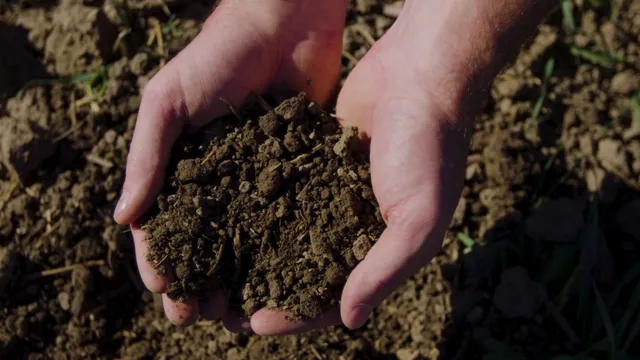
In the United States, Honda has made significant investments in a carbon credit scheme aimed at offsetting its emissions. This initiative involves purchasing carbon credits from farmers, which allows them to enhance their profitability while also contributing to sustainable agricultural practices. As part of Honda's broader sustainability mission, this project aims to achieve carbon neutrality by 2050. The company has announced that their purchase of these credits equates to the removal of approximately 1,800 metric tons of carbon dioxide from the atmosphere. The impact of this initiative extends to about 150 farmers working across 214,000 acres of farmland in states such as Alabama, Indiana, North Carolina, Ohio, and South Carolina, where Honda maintains operations. Honda's sustainability strategy lead, Mahjabeen Qadir, highlighted the company's longstanding relationship with U.S. farmers, dating back 40 years to when they first helped Ohio farmers export soybeans to Japan. The significance of soil health cannot be understated, as it forms the foundation of America's food chain. Healthy soil is essential for the growth of robust plants, which not only filter air but also reduce soil runoff and foster a diverse ecosystem. This initiative not only provides financial benefits for farmers but also promotes regenerative agricultural practices that preserve farmland, protect waterways, and ensure a healthier environment overall. The movement towards healthier eating, such as the Make American Healthy Again campaign, underscores the importance of high-quality, unprocessed foods produced through sustainable methods. Farmers engaged in sustainable practices can generate soil carbon credits. A carbon credit is defined as a certified, tradable carbon offset under a cap and trade emissions regulatory system. Companies, including Honda, can purchase these credits to offset their own emissions, especially in regions where strict limits are set, like California. Following the establishment of this scheme, Honda claims that their endeavors also contributed to conserving approximately 69,000 gallons of water for each metric ton of carbon removed from the atmosphere. This shows that the consequences of such environmental initiatives extend beyond mere carbon offsetting, reflecting broader ecological considerations. The Carbon by Indigo program, under which Honda participated, has received independent validation from Aster Global Environmental Solutions and has been issued credits by the Climate Action Reserve, ensuring accountability in the trading of these environmental credits. Ultimately, Honda's actions represent a commitment to both economic sustainability for farmers and a proactive approach to addressing the pressing issue of climate change. By investing in carbon credits and promoting regenerative agriculture, Honda aims to create a lasting positive impact, ultimately contributing to carbon neutrality goals and fostering a healthier agricultural ecosystem for future generations.


