Russia deploys jammers to counter Ukraine's drone attacks
military conflicts
impactful
controversial

Russia deploys jammers to counter Ukraine's drone attacks

10
(Update: )
sovereign state in Eastern Europe and Northern Asia
country in Eastern Europe
  • Russian forces are deploying electronic warfare systems to disrupt Ukrainian drone operations.
  • These systems are capable of interfering with Starlink satellite communications, crucial for drone coordination.
  • The ongoing technological battle highlights the evolving tactics of both Russia and Ukraine in the conflict.
Share opinion
1

Story

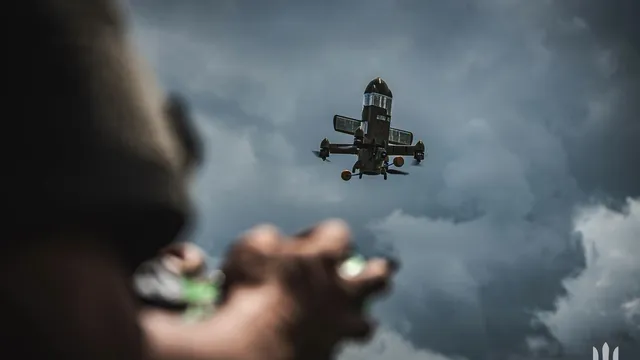
In recent months, Russia has been adapting its military strategies in response to Ukraine's effective drone campaign. Ukrainian drone operators have been utilizing mid-strike drones to target Russian supply lines, fuel depots, and command posts, significantly disrupting logistics and contributing to fuel shortages in occupied regions. In response, Russian forces have begun deploying advanced electronic warfare systems, specifically designed to interfere with Starlink satellite communications, which are crucial for Ukrainian drone operations. These systems, such as the Volna Kupol Garant, emit signals that can destabilize Starlink connections over a wide area, making it increasingly difficult for Ukrainian forces to coordinate their drone strikes effectively. Ukrainian military intelligence has reported identifying around ten of these jamming systems, which have become priority targets for Ukrainian drone crews. Major Mykola Kolesnyk, commander of the 422nd Unmanned Systems Regiment, noted that his unit successfully destroyed two jammers, allowing their Starlink-equipped drones to operate without issues. This highlights the ongoing technological battle between the two nations, as Ukraine seeks to maintain its advantage in drone warfare while Russia attempts to counteract these capabilities. In addition to electronic warfare, Russian forces are also changing their logistics to protect military supplies from Ukrainian attacks. They have started concealing military cargo within civilian vehicles, such as painted milk trucks and water tankers, which are often filled with fuel instead of their intended contents. This tactic aims to mislead Ukrainian forces and reduce the effectiveness of their drone strikes. Furthermore, Russian troops are now using small convoys, protected by armed pickup trucks, and traveling along secondary roads to avoid detection. The adaptation of Russian military strategies indicates a significant shift in the dynamics of the conflict, as both sides continue to evolve their tactics in response to each other's capabilities. Analysts suggest that if Russia scales up the production of jamming systems, it could pose a serious challenge to Ukraine's mid-strike drone campaign, potentially altering the course of the ongoing conflict. The situation remains fluid, with both nations actively seeking to outmaneuver each other on the battlefield.

Context

The impact of electronic warfare (EW) on drone operations has become increasingly significant in modern military and civilian applications. As drones are widely utilized for reconnaissance, surveillance, and combat missions, the vulnerability of these unmanned aerial vehicles (UAVs) to electronic warfare tactics poses a critical challenge. Electronic warfare encompasses a range of techniques aimed at disrupting, deceiving, or denying the use of the electromagnetic spectrum, which is essential for the operation of drones. This report examines the implications of EW on drone operations, highlighting the need for enhanced countermeasures and strategic adaptations in the face of evolving threats. One of the primary effects of electronic warfare on drone operations is the potential for signal jamming, which can render drones inoperable or lead to loss of control. Jamming can disrupt the communication links between the drone and its operator, as well as interfere with GPS signals, which are crucial for navigation and positioning. This disruption can result in mission failure, loss of valuable intelligence, or even the loss of the drone itself. As adversaries increasingly develop sophisticated jamming technologies, it is imperative for drone operators to implement robust counter-jamming measures and alternative navigation systems to mitigate these risks. Moreover, electronic warfare can also involve the use of spoofing techniques, where adversaries manipulate the signals received by drones to mislead them. This can lead to drones being redirected to unintended locations or causing them to crash. The implications of such tactics are profound, as they not only compromise the effectiveness of drone missions but also pose risks to civilian airspace and infrastructure. To counteract these threats, the integration of advanced encryption methods and artificial intelligence-driven algorithms into drone systems is essential. These technologies can enhance the resilience of drones against EW tactics, ensuring that they can operate effectively even in contested environments. In conclusion, the impact of electronic warfare on drone operations is a critical area of concern that necessitates ongoing research and development. As the landscape of warfare continues to evolve, the integration of advanced technologies and countermeasures will be vital in safeguarding drone operations from EW threats. Military and civilian stakeholders must prioritize the development of resilient drone systems that can withstand electronic warfare tactics, ensuring that they remain effective tools for a wide range of applications. The future of drone operations will depend on the ability to adapt to these challenges and maintain operational superiority in an increasingly complex electronic warfare environment.