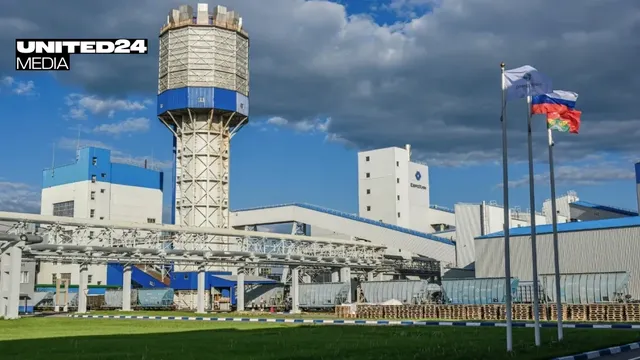
Ukrainian forces ignite massive fire at Russian chemical plant
military conflicts
impactful
controversial

Ukrainian forces ignite massive fire at Russian chemical plant

66
(Update: )
country in Eastern Europe
sovereign state in Eastern Europe and Northern Asia
federal subject of Russia
  • Ukrainian forces executed drone strikes on June 14, targeting key military and industrial sites in Russia.
  • The Azot chemical plant in Novomoskovsk was set ablaze, crucial for producing military-grade explosives.
  • These operations aim to disrupt Russia's military logistics and weaken its war capabilities.
Share opinion
6

Story

On June 14, 2026, Ukraine launched a series of drone strikes targeting key military and industrial sites deep within Russia, including the Azot chemical plant in Novomoskovsk, Tula Oblast. This facility is one of Russia's largest producers of ammonia and nitrogen fertilizers, which are crucial for military-grade explosives. The strikes also affected an oil depot in Rybinsk, Yaroslavl Oblast, and other locations, leading to significant fires and damage. Ukrainian President Volodymyr Zelensky confirmed the operations, emphasizing their strategic importance in undermining Russia's war capabilities. The drone campaign was part of Ukraine's ongoing efforts to disrupt Russian military logistics and infrastructure. By targeting facilities that supply ammunition and fuel, Ukraine aims to weaken Russia's ability to sustain its military operations. The Azot plant, in particular, is vital for producing chemicals used in artillery shells, making it a significant target in the context of the ongoing conflict. The strikes were coordinated and executed with precision, showcasing Ukraine's evolving military capabilities. In addition to the Azot plant, the Temp fuel storage facility in Rybinsk was also hit, which is operated by the Federal Agency for State Reserves (Rosrezerv). This facility is critical for storing strategic fuel reserves, and its destruction could hinder Russia's logistical operations during wartime. The attacks triggered air raid alerts across 28 regions in Russia, indicating the widespread impact of the drone strikes. Civil aviation authorities were forced to restrict air traffic at several airports due to the threat posed by the ongoing drone campaign. The Ukrainian government has been increasingly vocal about its strategy to conduct long-range strikes against Russian targets, aiming to diminish Moscow's military capabilities. Zelensky's remarks highlighted the success of these operations, which are seen as a response to Russia's continued aggression. The situation remains fluid, with ongoing assessments of the damage and implications for both sides in the conflict. As Ukraine continues to adapt its military strategies, the effectiveness of these strikes will likely influence the course of the war in the coming weeks and months.

Context

The impact of drone strikes on Russian military logistics has become a critical area of study, particularly in the context of modern warfare. As drone technology has advanced, its application in military operations has transformed traditional logistics and supply chain management. The use of drones for precision strikes has not only altered the battlefield dynamics but has also posed significant challenges to the logistical frameworks that support military operations. This report examines the implications of drone strikes on the Russian military's logistical capabilities, focusing on the disruption of supply lines, the psychological impact on personnel, and the strategic adjustments made in response to these threats. One of the most significant effects of drone strikes on Russian military logistics is the disruption of supply lines. Drones can target key logistical hubs, such as warehouses, transportation routes, and fuel depots, leading to a breakdown in the flow of essential supplies. This disruption can result in shortages of ammunition, food, and medical supplies, which are critical for sustaining military operations. The Russian military has had to adapt its logistics to mitigate these risks, including the decentralization of supply routes and the increased use of camouflage and concealment techniques to protect vital assets from drone surveillance and attacks. Moreover, the psychological impact of drone strikes on Russian military personnel cannot be underestimated. The constant threat of drone attacks creates an atmosphere of uncertainty and fear among troops, which can affect morale and operational effectiveness. Soldiers may become more cautious and less willing to engage in operations that expose them to drone strikes, leading to a potential decrease in combat readiness. This psychological warfare aspect of drone strikes complicates the Russian military's ability to maintain a robust and responsive logistical framework, as personnel may prioritize safety over operational objectives. In response to the challenges posed by drone strikes, the Russian military has implemented several strategic adjustments. These include investing in counter-drone technologies, such as electronic warfare systems and anti-drone weaponry, to protect critical logistical assets. Additionally, the military has increased its focus on intelligence, surveillance, and reconnaissance (ISR) capabilities to better anticipate and respond to drone threats. By enhancing their situational awareness, Russian forces aim to safeguard their logistics and maintain operational continuity in the face of evolving drone warfare tactics. Overall, the impact of drone strikes on Russian military logistics is profound, necessitating ongoing adaptation and innovation to ensure effective military operations.