

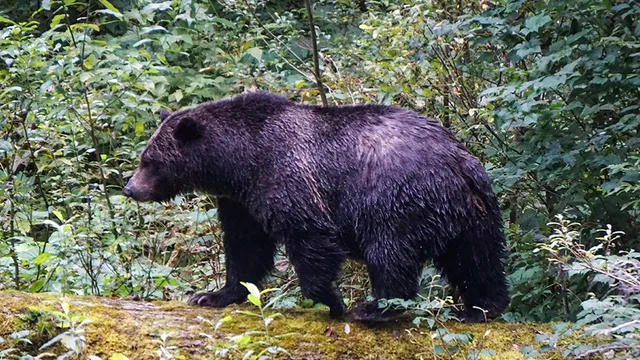
Grizzly bear injures 11 schoolchildren and teachers in British Columbia
Grizzly bear injures 11 schoolchildren and teachers in British Columbia
- On Thursday, a grizzly bear attacked schoolchildren and teachers on a walking trail in Bella Coola, British Columbia.
- The attack resulted in 11 injuries, two being critically injured, and has prompted local authorities to advise residents to remain indoors.
- The community is in shock as Acwsalcta School closes temporarily to provide counseling and support for affected students.
Story
In Canada, a significant event took place on Thursday afternoon when a grizzly bear attacked a group of schoolchildren and their teachers on a walking trail in Bella Coola, located in British Columbia. The incident occurred approximately 700 kilometers northwest of Vancouver. The bear's attack resulted in injuries to 11 individuals, with two suffering from critical conditions. The Nuxalk Nation, the local First Nation, confirmed the bear remained at large following the attack, prompting urgent pleas from officials for residents to remain indoors and avoid the area, as armed police and conservation officers were deployed to manage the situation. In the aftermath of the attack, Acwsalcta School, the independent institution attended by the children involved, announced it would be closed on Friday in response to the traumatic event. The school, which is operated by the Nuxalk Nation, expressed sympathy and concern for its students, stating that counseling would be made available to help cope with the emotional impact of the incident. The community’s reaction has been one of shock and fear, particularly as parents learned their children were involved. One parent shared her son’s harrowing experience, noting how close he was to the bear during the attack. Witness accounts reveal that teachers attempted to intervene during the bear's onslaught, using bear spray in an effort to defend the students. Despite their bravado, some educators sustained serious injuries, highlighting the danger of the situation. Officials confirmed that Emergency Health Services responded swiftly, with several victims transported via helicopter for medical attention. The local authorities emphasized the importance of staying indoors while the bear continues to roam free, underscoring the risks involved. British Columbia is home to a considerable population of grizzly bears, estimated to be around 15,000, but encounters with humans are relatively rare. Nonetheless, organizations such as the British Columbia Conservation Office Service and the Royal Canadian Mounted Police are currently involved in addressing this dangerous situation and ensuring public safety while monitoring for the aggressive bear. The events of this day have raised awareness about the wildlife risks in the region and the necessary precautions to be taken when enjoying outdoor activities, particularly near bear habitats.
Context
Wildlife encounters in residential areas pose significant safety risks, both for humans and animals. As urban development continues to encroach on natural habitats, conflicts between wildlife and residents are becoming increasingly common. Understanding the behaviors of different species, as well as implementing effective safety measures, is essential to reduce the likelihood of dangerous encounters. Promoting awareness of local wildlife and fostering respect for their natural behaviors can mitigate risks and enhance community safety. One of the most effective strategies for ensuring safety during wildlife encounters is education. Residents should be informed about the types of wildlife that are commonly found in their area, including their habits and feeding patterns. By understanding when and where wild animals are likely to be encountered, people can avoid potential dangers. For instance, encounters with deer are more likely during dawn and dusk when they are most active. In addition, educating the community about how to secure food sources such as garbage, pet food, and bird feeders can help prevent animals from entering residential areas in search of an easy meal. In situations where wildlife encounters do occur, there are several recommended safety protocols to follow. It is important for individuals to stay calm and avoid sudden movements that might startle the animal. Making noise, such as clapping hands or shouting, can help scare off curious or aggressive animals without provoking them. If the encounter involves a larger animal, such as a bear or moose, it's advised to slowly back away without turning your back. If the animal shows signs of aggression, finding a safe place to retreat is crucial. Maintaining a safe distance and allowing the animal to leave the area on its own will also promote coexistence and reduce the likelihood of future encounters. Communities can also establish safety measures such as wildlife corridors to facilitate animal movement and reduce human-wildlife interactions. These corridors can help maintain the ecological balance and allow animals to migrate safely without venturing into populated areas. Local governments and wildlife agencies should collaborate to create a comprehensive plan that includes guidelines for residents on how to deal with wildlife encounters and establishes emergency response protocols for dangerous situations. Creating a community-focused approach, where residents can report and discuss encounters, will lead to enhanced preparedness and ultimately a safer environment for both people and wildlife.


