

Truck plows into crowd, killing two and injuring 18 in South Korea market
Truck plows into crowd, killing two and injuring 18 in South Korea market
- A truck collided with pedestrians at an outdoor market in Bucheon, South Korea, resulting in two fatalities and 18 injuries.
- The driver claims that his vehicle malfunctioned, and police are investigating the incident using security camera footage.
- Local authorities are implementing support measures for restoration and psychological aid for witnesses of the crash.
Story
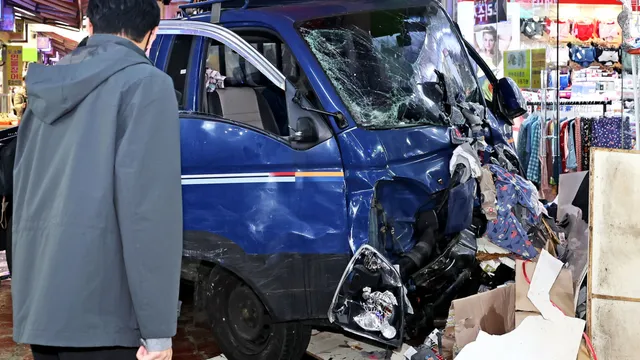
In South Korea, on Thursday, November 12, 2025, a tragic incident occurred when a truck drove into pedestrians at an outdoor market in Bucheon. This devastating event took place shortly before 11 a.m. local time, leading to the deaths of two individuals who were later pronounced dead at a hospital. Additionally, 18 other people sustained various injuries, with nine suffering from serious conditions that were reported by municipal government officials. The nature of these injuries raises concerns about their potential to be life-threatening, though confirmation on this aspect is still pending. Eyewitness accounts have provided crucial details about the sequence of events leading to the crash. According to reports, the truck initially reversed almost 100 feet before accelerating forward, continuing for about 500 feet and striking pedestrians along the way. The local police have initiated an investigation, questioning the 60-year-old driver, who remains unidentified. Preliminary statements indicate that the driver was not under the influence of alcohol or drugs at the time of the incident, suggesting that other factors may have contributed to the truck’s erratic behavior. The driver has claimed that the vehicle malfunctioned, which is a primary focus of the ongoing investigation. Following the accident, responders from Bucheon’s fire station arrived promptly to provide medical assistance to the injured and to assess the scene. Photos taken from the aftermath depict a significant amount of debris, including toppled boxes and broken signage at the market, with the truck itself wedged into a storefront, highlighting the severity of the crash. The condition of the vehicle further illustrates the violent nature of the impact, marked by a mangled front left side and shattered windows. In light of this incident, Mayor Cho Yong-eek of Bucheon announced that the city would support efforts for restoring damaged facilities in the market area. Furthermore, the city’s administration plans to conduct comprehensive safety inspections to prevent future occurrences of such tragic events. Recognizing the psychological toll on both witnesses and affected merchants, the local government is also instituting measures for providing psychological support. While the total property damage and the specific number of shops impacted remain unreported, this incident undoubtedly raises critical public safety concerns in crowded marketplaces.
Context
The history of traffic accidents in South Korea reveals a complex interplay of rapid industrialization, urbanization, and evolving transportation infrastructure. Over the past few decades, as the country experienced significant economic growth, the number of vehicles on the road surged dramatically. This increase in traffic volume, particularly in major cities like Seoul, has had a proportional impact on the frequency and severity of traffic accidents. Historically, the late 20th century marked a period of particularly high accident rates as road safety measures and regulations were still in their infancy. In response to rising public concern and increasing fatalities, the South Korean government began implementing stricter traffic laws and investing in better road infrastructure in the early 2000s. These initiatives included the introduction of mandatory seatbelt laws, increased penalties for drunk driving, and enhanced road signage to improve driver awareness. As a result, there has been a notable decline in traffic-related deaths and injuries in recent years, illustrating the effectiveness of these measures. However, challenges remain, particularly with the advent of new technologies and changing transportation patterns, such as ride-sharing services and electric vehicles, which necessitate ongoing adaptations in safety regulations. Furthermore, the socioeconomic factors influencing traffic behaviors, such as population density and cultural attitudes towards driving, continue to pose challenges in the realm of traffic safety. Despite the progress made, South Korea must continue its commitment to enhancing road safety through education, infrastructure improvements, and innovative policy solutions to ensure the safety of all road users.


