

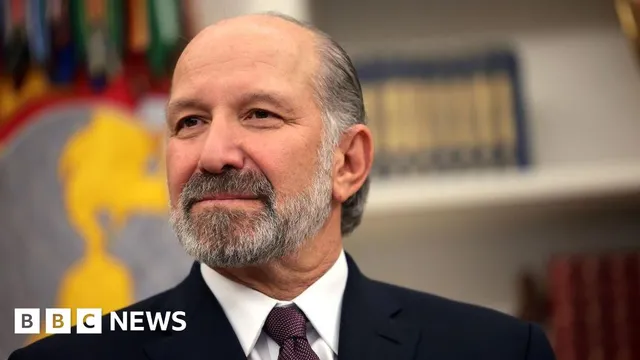
Howard Lutnick planned visit to Epstein's private island in 2012
Howard Lutnick planned visit to Epstein's private island in 2012
- Documents from the Department of Justice reveal Howard Lutnick's plan to visit Jeffrey Epstein's private island in December 2012.
- The correspondence indicates a friendly relationship, with lunch arrangements planned involving family and friends.
- The ongoing release of Epstein-related documents continues to stir public interest in the connections of powerful individuals with the convicted sex offender.
Story
In December 2012, Commerce Secretary Howard Lutnick intended to visit Jeffrey Epstein's private island in the Caribbean. Documents released by the Department of Justice shed light on the interactions between Lutnick and Epstein leading up to this planned visit. Epstein’s assistant communicated with Lutnick regarding lunch arrangements. The emails suggest a cordial relationship, and Lutnick seemed to be traveling with family and friends at the time. Notably, Lutnick's spokesperson stated that he had limited interactions with Epstein, emphasizing that he has not faced any accusations of wrongdoing. The release of documents and emails came under the Epstein Files Transparency Act, which seeks to make information about Jeffrey Epstein's activities and relationships more accessible to the public. This latest tranche included millions of pages of records, allowing survivors to find their names unredacted among the files. Reports show that some prominent individuals and politicians were also named in the released documents, raising scrutiny on their ties to Epstein and his activities. Following Epstein's suicide in August 2019 while in custody, investigations continued to uncover the extent of his connections. Recent findings highlight correspondence between Epstein and various public figures, which has reignited discussions about accountability and the broader implications of Epstein's actions. The involvement of notable names like Howard Lutnick and Prince Andrew has spurred public criticism and calls for transparency regarding their associations and any potential wrongdoing. The Attorney General Todd Blanche defended the Department of Justice's approach to the release of information regarding Epstein. He denied any obstruction or intent to shield high-profile individuals, including President Donald Trump, from scrutiny. Blanche stated that the White House did not influence the review process or the release of Epstein-related documents. Furthermore, he emphasized that images of women associated with Epstein were redacted, with the exception of Ghislaine Maxwell, reflecting the sensitive nature of the information being made public.
Context
The Epstein Files Transparency Act is designed to ensure greater accountability and transparency regarding the handling of materials associated with the high-profile case of Jeffrey Epstein, noted for its implications involving significant societal and governmental figures. This legislation arose from a public demand for clarity following the controversial circumstances surrounding Epstein's death and the subsequent release of his documents. The purpose of the Act is to facilitate public access to information that has been historically opaque, particularly as it pertains to investigations, legal proceedings, and the potential complicity of various institutions in Epstein's activities. Central to the Epstein Files Transparency Act is the provision that mandates the timely release of documents related to Epstein's case, including court filings, investigative reports, and records related to his associates. Importantly, the Act also addresses the sensitive nature of some of this material, providing necessary safeguards to protect the identities of victims and sensitive personal information while still promoting public interest. The goal is to strike a balance between transparency and the right to privacy, making it an important landmark in legislative action pertaining to cases of sexual abuse and trafficking. The impact of the Epstein Files Transparency Act extends beyond the immediate case to broader implications for similar future cases. This legislation can serve as a precedent, potentially encouraging other regions or states to adopt similar measures to enhance transparency in high-profile abuse cases. By increasing public scrutiny, the Act aims to prevent institutions from covering up or mishandling abuse allegations, thereby holding them accountable and fostering a culture that prioritizes victim support and justice. Furthermore, the implementation of the Act's provisions may also prompt discussions on reforming legal processes associated with such cases, especially regarding victim rights and the actions of law enforcement entities. As the public continues to demand accountability from those in positions of power, the Epstein Files Transparency Act stands as a potential vehicle for inspired legislative reform, championing the call for a judicial system that is both fair and transparent in its dealings with sensitive and significant cases.


