

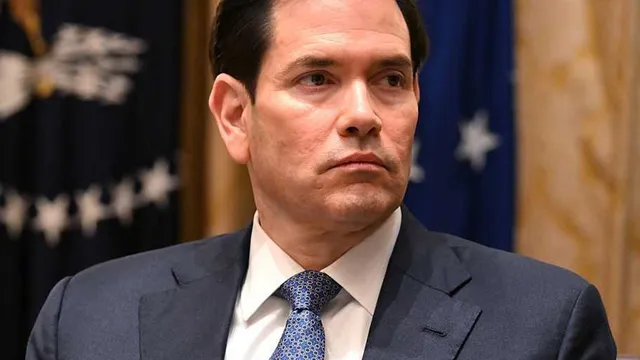
Marco Rubio slams Europe for hypocrisy on US military actions
Marco Rubio slams Europe for hypocrisy on US military actions
- Secretary of State Marco Rubio addressed European officials' criticism regarding US strikes against alleged drug traffickers.
- He pointed out the hypocrisy in European countries condemning US actions while simultaneously seeking military support.
- Rubio's remarks emphasized the US's right to defend its national security against organized criminal threats.
Story
In a recent address, United States Secretary of State Marco Rubio criticized European leaders for their condemnation of America's military strikes against alleged narco-terrorists operating off the coast of Venezuela. These operations have been defended by the Trump administration as necessary measures to protect the homeland against organized criminal elements involved in drug trafficking. Rubio's comments came after numerous European officials, including French Foreign Minister Jean-Noel Barrot, expressed their concerns regarding the legality of these strikes under international law during a G7 summit. Both the criticism from Europe and the timing of the US strikes underscore the complexities surrounding international defense politics. Rubio highlighted the contradictory nature of European expectations, as countries that denounce the US actions simultaneously seek military support from it, including nuclear-capable weapons for Ukraine. This cross-examination of priorities illustrates the current geopolitical landscape in which Europe relies on the US for security assurances while criticizing its operational methods abroad. The situation is further complicated by international law debates, with EU's foreign policy chief Kaja Kallas insisting that military force can only be justified through self-defense or a UN Security Council resolution, prompting Rubio to assert that Europe cannot dictate the parameters of US national security. The ongoing US operations have reportedly targeted at least 20 vessels claimed to be involved in narco-terrorism since September. The US administration maintains that these strikes are crucial for preventing drug-related violence that could spill over into American territory. Rubio's firm stance demonstrates the current administration's commitment to assertively addressing threats from drug cartels, particularly in the context of rising tensions with nations like Venezuela, where US military presence has become a contentious issue. This public clash between US and European perspectives on military intervention speaks to the broader challenges of maintaining strong alliances amid diverging approaches to international security. The ongoing dialogue concerning military actions and compliance with international law remains critical as global dynamics evolve. Rubio's remarks serve as a reminder of the complex interplay between national security interests and the expectations of international partners, reinforcing the ongoing debate over the legality and ethics of military interventions in the fight against global drug trafficking.


